#121 | Frankly
Wide Boundary News: Japan, Silver, Venezuela, and More – the Biophysical Phase Shift Cometh

Description
This week’s Frankly inaugurates a new category for videos on The Great Simplification platform, Wide Boundary News, in which Nate invites listeners to view the constant churn of headlines through a wider-boundary lens. As we are increasingly inundated with vast quantities of news (and nervous system dysregulation!), it becomes important to be able to tease out a thread on how they interconnect. The stories we tell ourselves about progress, growth, and stability no longer perfectly line up with the biophysical reality beneath them – in Nate’s words, ‘A biophysical phase shift cometh.’
This week’s edition of Wide Boundary News features a look at multiple stories that signal a deep shift in the way humanity’s economic system interacts with planetary resources and ecological systems. Using Japan and silver prices as points of departure, Nate unpacks how the financial layer of our global system has often been mistaken for the whole of reality – obscuring the fundamental inputs of the natural world that keep this system running. He also touches on the global tensions surrounding Venezuela and Greenland by illustrating how the increasing exposure of biophysical limits leads to the perpetuation of geopolitical resource control narratives (and even a resurgence of past visions of ‘Technocracy’). Last but not least, Nate briefly discusses the U.S. polar vortex and a report recently published by the U.K. outlining concerns regarding global biodiversity loss and nature’s say in all this, acknowledging the ways in which the “biophysical blinders” are coming off both institutionally and in our lived experiences.
In what ways do events like Japan’s bond market turbulence and spiking silver prices illustrate the deeper tensions between financial systems and material constraints? How might our institutions, communities, and values change (or double down) as the biosphere’s limits become increasingly hard to ignore? And where, amid bending systems and mounting limitations, do genuine leverage points for a different future still exist?
Show Notes & Links to Learn More
Download transcriptThe TGS team puts together these brief references and show notes for the learning and convenience of our listeners. However, most of the points made in episodes hold more nuance than one link can address, and we encourage you to dig deeper into any of these topics and come to your own informed conclusions.
00:00 – Essay version of this Frankly
00:31 – The Great Simplification
02:48 – Supply chains
04:43 – Frankly #97 The Superorganism in 7 Minutes
05:08 – Externalities
06:24 – U.K. Government Biodiversity Loss and Ecosystem Instability report
07:27 – Overview of Japan
07:32 – Japan’s natural resources
07:46 – Japanese low bond yields
07:48 – Japan’s tech exports
07;50 – Interventions by Japan’s Central Bank
08:14 – Recent Japanese government bond yields
08:33 – Japan’s heavy public debt load
09:30 – Japanese Yen to U.S. Dollar
09:39 – President Trump commenting on risk of weaker dollar
10:19 – Low Japanese interest rates
10:40 – All time highs in price of silver
10:51 – Silver is used in a variety of ways
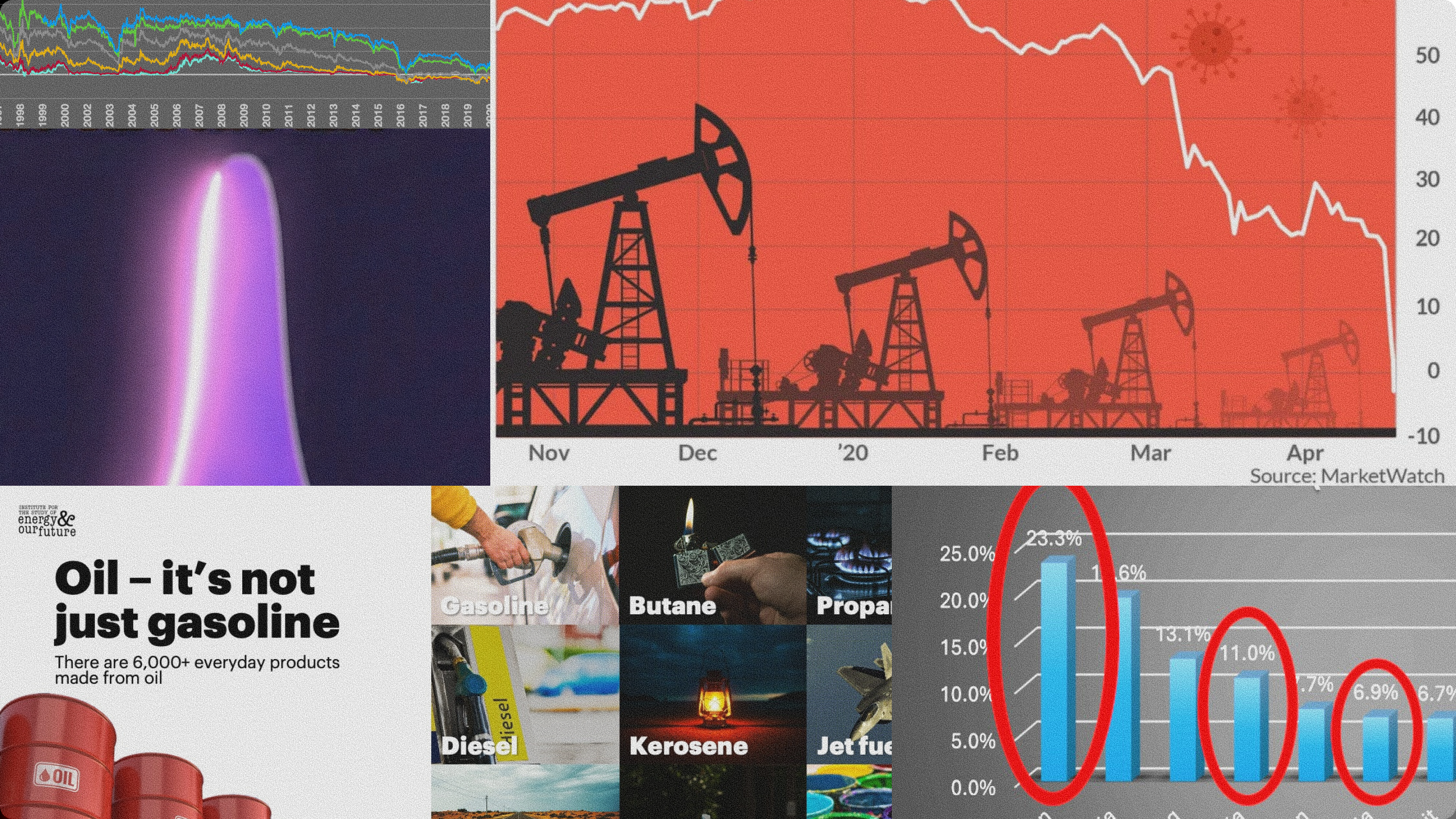
11:26 – 2020 oil futures went negative
11:44 – JPMorgan and silver holdings of over 750 million ounces
11:51 – The Chicago Mercantile Exchange
12:58 – Silver as % of cost of solar panel
13;27 – Net zero
14:11 – Game theory
14:20 – Robert Friedland
14:28 – Copper consumption is 30 million tons per year, % which is recycled
15:09 – Robert Friedland’s video presentation: The Future of Critical Minerals
15:35 – Debt deflation
15:50 – ETF (Exchange Traded Fund)
16:20 – Overview of Venezuela
16:26 – U.S. capture of Maduro
16:41 – Venezuela boasts world’s largest oil reserves
17:02 – Venezuelan oil reserves
17:33 – The products made from crude oil
17:42 – U.S. oil is light, tight oil from shale, pairing with heavy oil when refining
17:55 – Gulf Coast refineries
18:02 – Middle distillates
18:44 – Harold Hamm, announcement no longer drilling shale
19:12 – Wood Mackenzie
19:16 – Oronoco Belt
19:45 – China’s crude oil imports, including from sanctioned countries
19:53 – Shadow fleet
20:13 – China’s massive refinery complexes, 2026 launch of additional petrochemical complex
20:47 – Aircraft carrier USS Abraham Lincoln moving to the Middle East
21:17 – Overview of Greenland
21:25 – Davos 2026
21:44 – The Great Depression
21:47 – Technocracy movement
22:22 – Howard Scott
22:47 – Map proposing the Technate of America
23:49 – John Maynard Keynes
25:00 – Frankly #44 The Many Shapes of the Carbon Pulse, oil production growth
25:25 – Silicon Valley, and its power
27:01 – MI5 and MI6
27:13 – Positive feedback loops
27:49 – Melting Himalayan glaciers
28:06 – The Freedom of Information Act
28:14 – Eco-terrorism
28:16 – NATO (North Atlantic Treaty Organization)
28:20 – The “bread basket” of Ukraine and Russia
28:51 – I.C.E. (U.S. Immigration and Customs Enforcement), situation in Minneapolis
29:09 – Polar vortex
29:14 – Recent extreme cold in the Midwest, deep freeze in the continental U.S.
29:29 – Arctic warming (NOAA Arctic Report Card; Update for 2025)