#137 | Frankly
Everything is About to Change: The World After Cheap Energy

Description
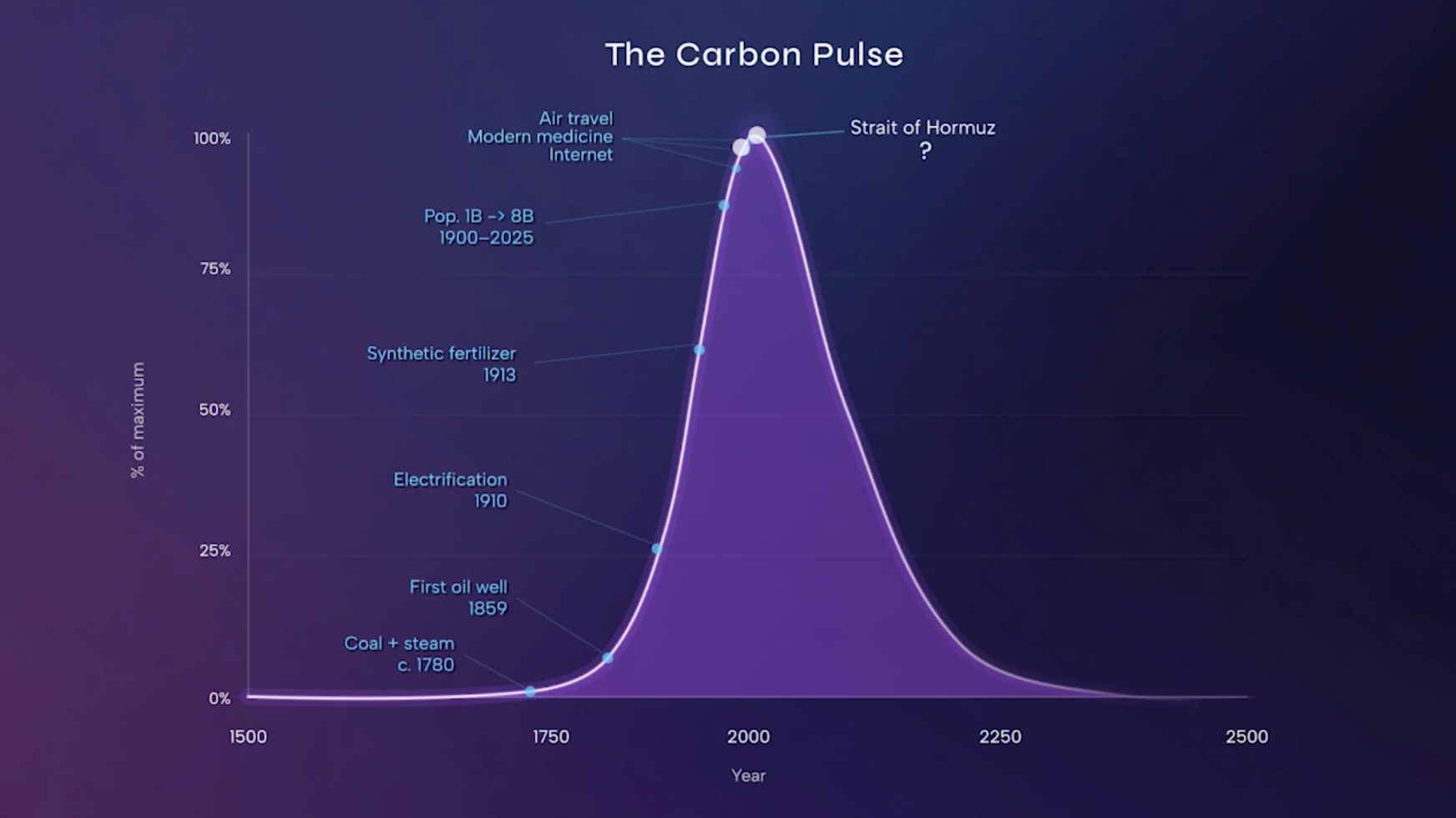
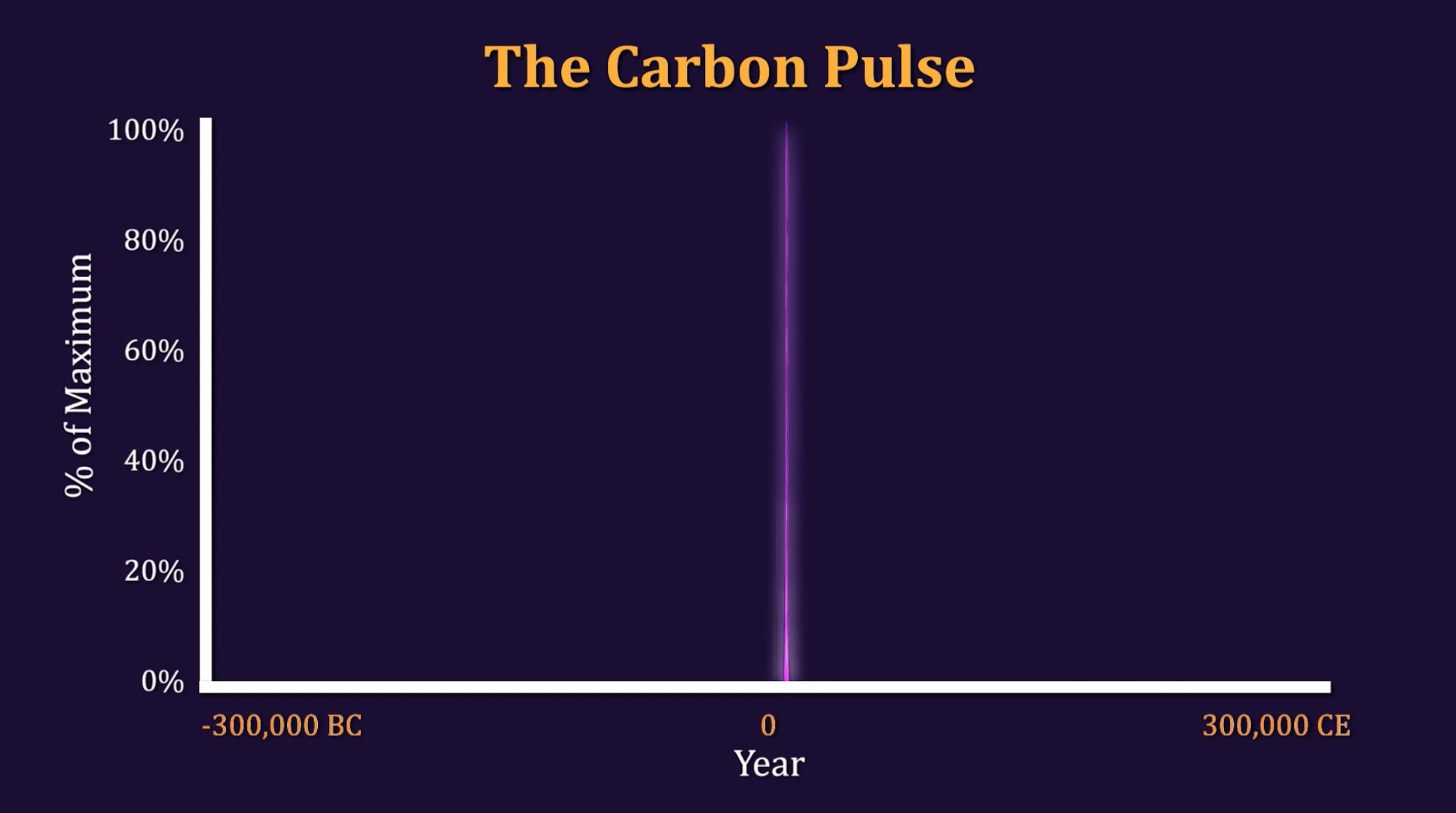
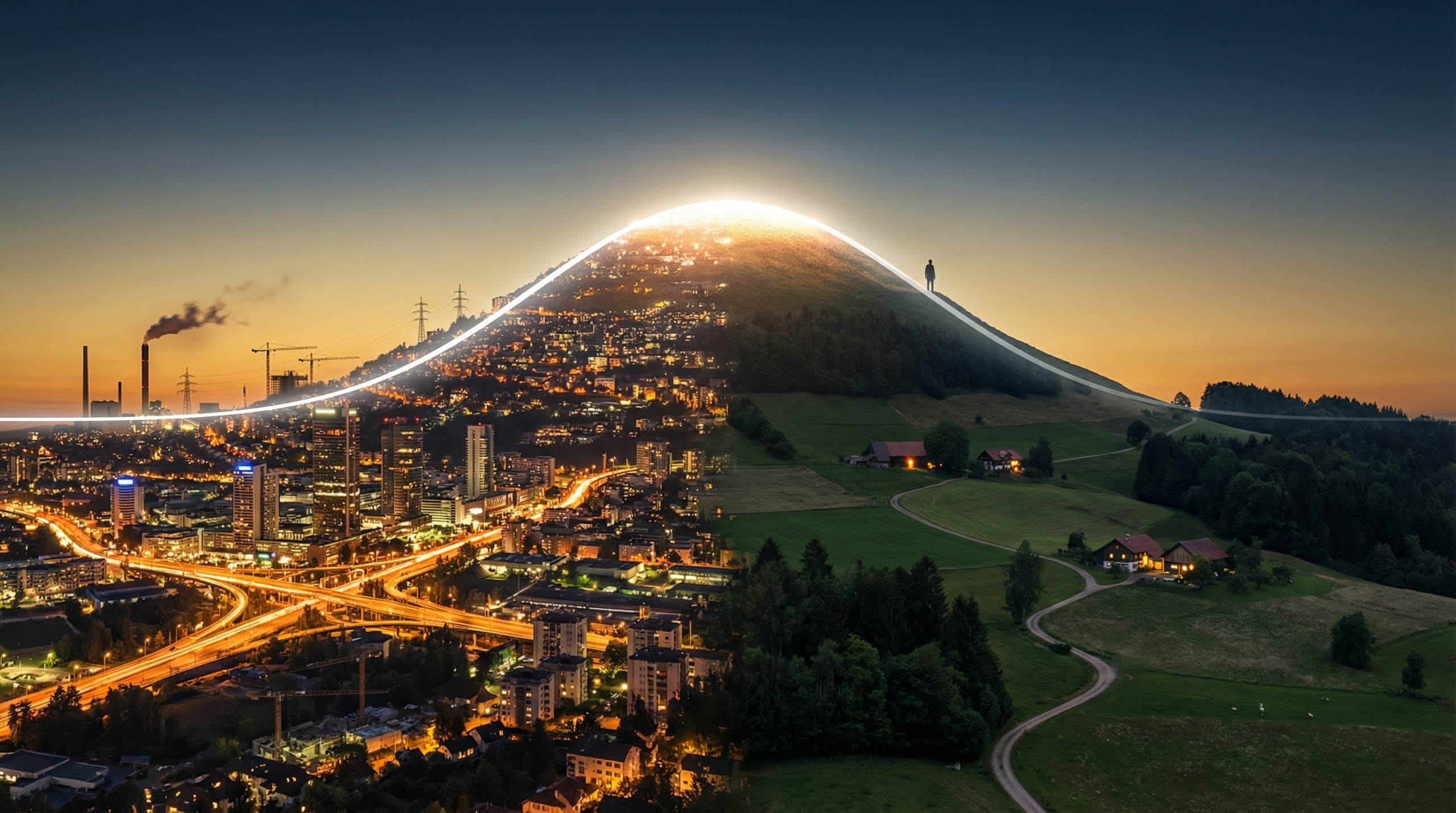
Today’s Frankly is the final installment in a three-part series on the role oil plays in modern civilization, prompted by the recent flow disruptions and geopolitical conflict surrounding the Strait of Hormuz. Nate frames the entire arc of this series through the concept of the carbon pulse: a one-time inheritance of ancient stored sunlight that humanity is burning through in a few hundred years. He highlights how modern economies, now roughly a thousand times larger than five centuries ago, are built on the assumption that the energy abundance at the top of this curve is permanent, when in reality it is not. Nate traces how money functions as a claim on physical work, not a substitute for it, and how the financial scaffolding that made shale oil viable depends on cheap capital that may not last. He connects this directly to what he calls energy blindness: the absence of biophysical reality from mainstream economic and political analysis.
Nate also draws a direct line between the energy crisis and the ecological crisis, framing them as two faces of the same predicament. The carbon pulse created both the unfolding ecological damage from burning too many fossil fuels, and the depletion crisis from drawing them down too fast. He outlines how forests, wildlife, and food systems all face increasing risk from both climate disruption and human desperation, and how geopolitical alliances are fracturing along lines of energy access rather than ideology. The episode closes with Nate’s framing of the Great Simplification not as collapse, but as a potential reorientation, as well as an invitation to consider what actually produces human wellbeing: connection, purpose, community, and service. These are satisfactions that predate the carbon pulse, and do not require a barrel of oil.
What does it mean to build a civilization on a one-time energy inheritance, and then plan as though it will last? How might individuals and societies begin to reorient around what actually matters, before external circumstances force the issue? And as the carbon pulse peaks, who do we want to be on the way down?
Show Notes & Links to Learn More
Download transcriptThe TGS team puts together these brief references and show notes for the learning and convenience of our listeners. However, most of the points made in episodes hold more nuance than one link can address, and we encourage you to dig deeper into any of these topics and come to your own informed conclusions.
00:00 – An Introduction to the Importance of Oil to Society Series: Oil 101 & Oil 201, Essay version of this Frankly
00:45 – Oil made our civilization possible, Carbon Pulse, Carbon Pulse graph
00:55 – We are near peak of the Carbon Pulse
00:50 – Strait of Hormuz conflict map
01:10 – Population growth
01:23 – Global human economy is 1000x bigger than 500 years ago, Graph
02:28 – Bank of England: “Money Creation in the Modern Economy” article and video
02:40 – Oil price increase
03:10 – Ouroboros
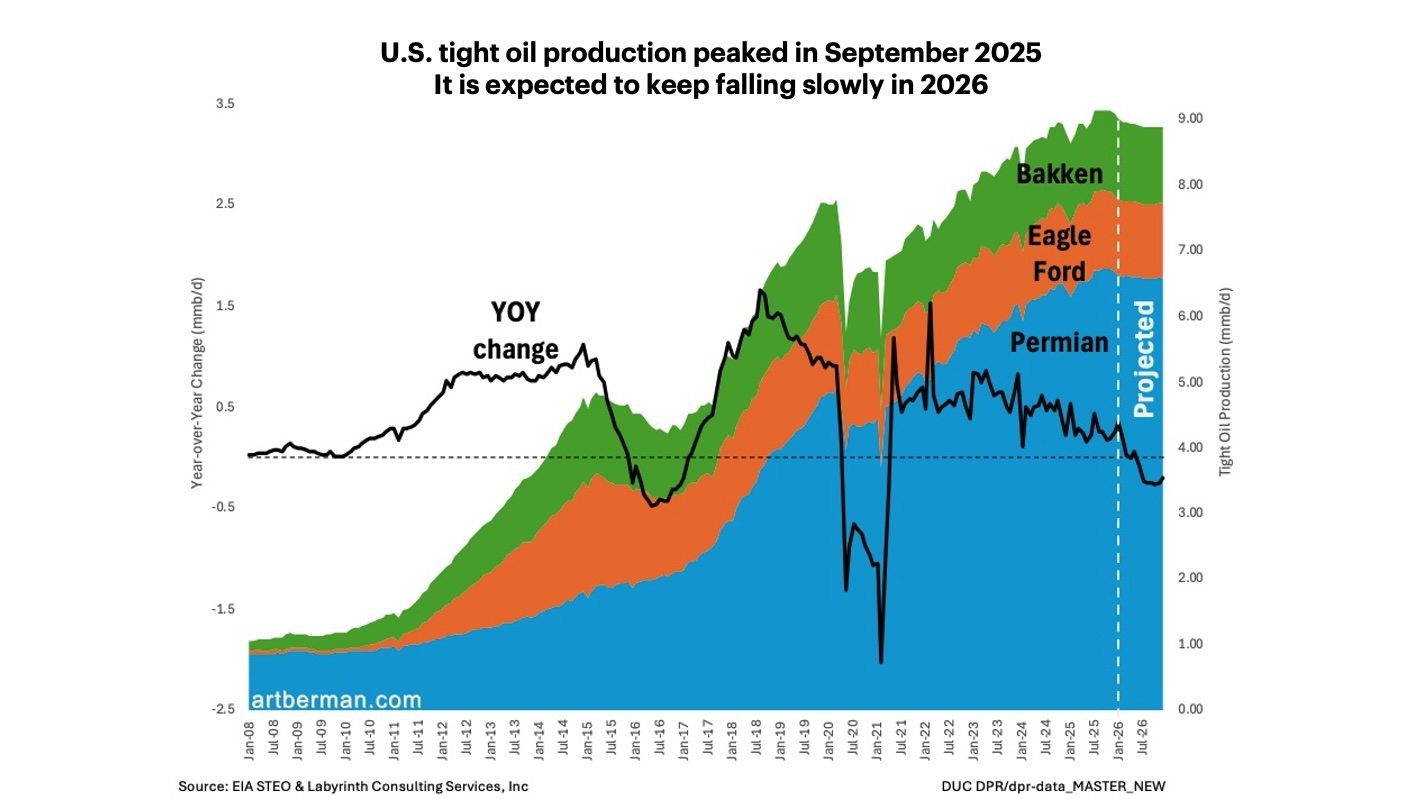
04:05 – Shale oil depletion graph
04:13 – U.S. shale oil prospects
04:18 – Federal funds effective rate
04:33 – Hormuz transit has been halted for a month
04:37 – Annual merchandise trade growth decline due to Hormuz disruptions
04:42 – Countries that import more than half their primary energy as fossil fuels
04:53 – Annual CO2 emissions, Global average surface temperature, Global living planet index, Annual change in forest area
05:05 – Planetary boundaries
05:58 – Easter Island deforestation, U.S. forest loss, Greek raid forests for firewood 2013
06:08 – Home Heating in the USA: A Comparison of Forests with Fossil Fuels
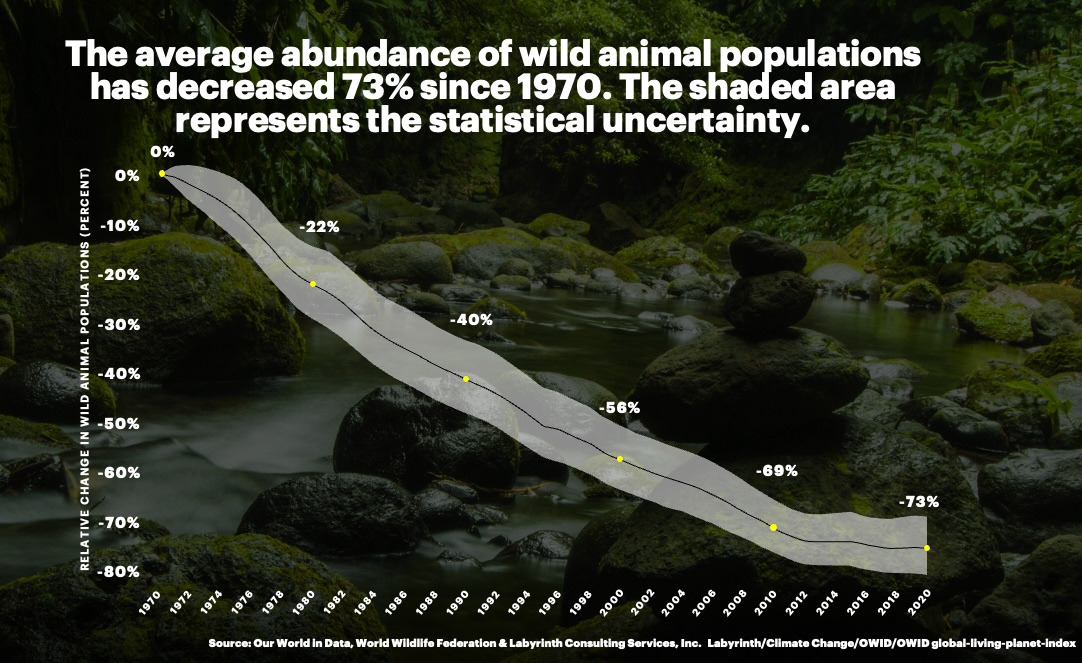
06:53 – Wild animal population decrease since 1970, Graph
07:11 – Iran warns of ‘severe’ retaliation over Trump’s Hormuz threats, Oil and gas prices likely to stay elevated even if there is a ceasefire in Iran, Asia barters for scarce energy as Iran crisis throttles suppliers
07:20 – Mark Langfan ‘Black Gold’ map, Over ⅔ of world’s remaining conventional oil reserves are in the Middle East
07:31 – Oil production 2024
07:41 – Trump says U.S. military to stay around Iran, EU countries give final approval to Russian gas ban, U.S. threatens to starve Iraq of its oil dollars over Iranian influence
07:56 – Strait of Hormuz sulfur exports
08:03 – Europe dependency on Hormuz LNG after cutting off Russian oil
08:07 – Nitrogen fertilizer feedstock relies on Hormuz
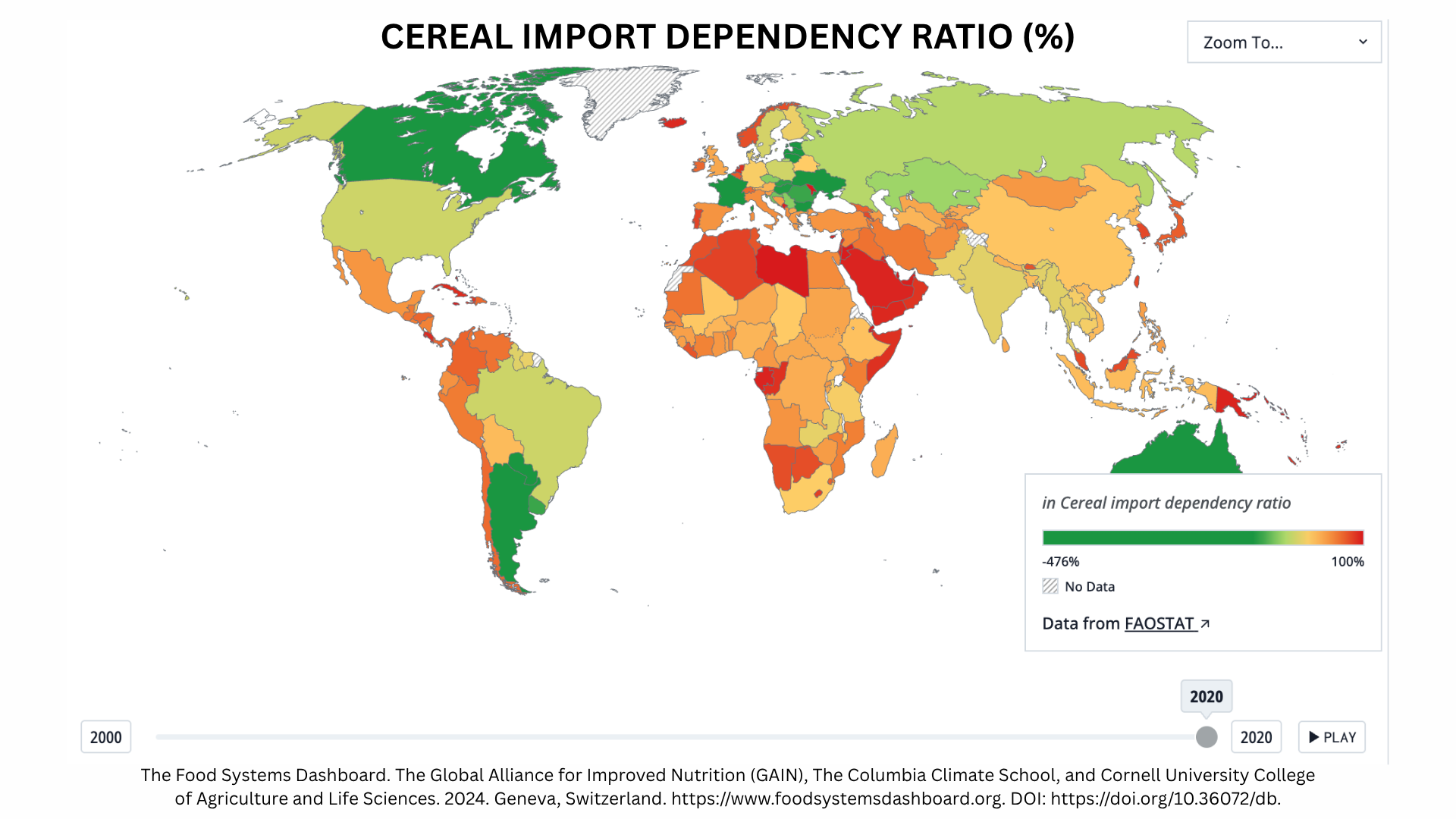
08:36 – Cereal import dependency ratio, Graph
08:55 – GDP per capita
09:15 – China seas one of the biggest, longest LNG deals ever with Qatar, China and Pakistan present new Iran deal: Ceasefire for opening Hormuz, China ready to cooperate with Russia, China urges Gulf states to unite against external influence
09:26 – EU natural gas imports 2019-2025
10:25 – Frankly #75: Somebody’s Gonna Win
10:38 – Frankly #23: The Mordor Economy
10:55 – Tool evolution throughout human history
11:09 – Scapegoating
11:15 – Loss aversion
11:32 – Frankly #97: The Superorganism Explained in 7 Minutes, Nate’s PhD paper on the economic Superorganism
12:23 – The Carbon Pulse over hundreds of thousands of years
12:43 – 500 billion fossil army
13:28 – Beyond threshold of basic needs, more wealth produces less and less wellbeing
15:09 – Frankly #129 A Guide to Staying Human (Part 1): Desperately Seeking Agency