#141 | Frankly
Wide Boundary News: Sacrificing Wilderness, Oil Data Propaganda, and Feeding the Superorganism’s Brain

Description
This week’s Frankly is another edition of Wide Boundary News, where Nate invites listeners to view the constant churn of headlines through a wider-boundary lens. He begins with the misleading framing of recent oil production statistics by the United States, which blurs distinctions between crude oil and broader petroleum products. Nate uses this as a case study in how data can be technically correct, yet structurally misleading – particularly when used for political storytelling. The lens widens as he considers whether the peak of the carbon pulse could pass without clear public understanding, especially as access to the underlying data becomes more restricted and fragmented.
Nate then moves into the geopolitical and physical consequences of energy strain, focusing on Iran and the Strait of Hormuz as a critical chokepoint in global oil flows. He connects ongoing disruptions not only to price spikes, but also to how energy functions as a security commodity. These disruptions also extend into cascading effects on food systems, as things like fertilizer supply and cooking fuel reverse in access and affordability. Moving closer to home, Nate discusses the opening of Minnesota’s Boundary Waters for copper-nickel mining, highlighting the tension between ecosystem protection and demand for mineral inputs to power any magnitude of energy transition. He also touches on the rapid expansion of AI data centers and the large share of electricity they use, framing this trend as the economic Superorganism diverting massive energy flows toward its cognitive layer, rather than only its muscular layer. Finally, Nate closes with a reflection on industrial livestock productivity as another expression of a system optimized for high output, but operating under energy conditions that may no longer hold.
Why do we need to think about energy as a security commodity? How much of our future depends on being told the truth? And what have we bred for – in cows, seed varieties, supply chains, cities, and financial systems – that we will not be able to feed, medicate, or transport on the backside of the carbon pulse?
Show Notes & Links to Learn More
Download transcriptThe TGS team puts together these brief references and show notes for the learning and convenience of our listeners. However, most of the points made in episodes hold more nuance than one link can address, and we encourage you to dig deeper into any of these topics and come to your own informed conclusions.
All figures shown in this episode can be viewed here.
00:00 – Wide Boundary News Playlist, Wide-boundary perspective
00:39 – More-than-human-predicament
00:49 – U.S. Department of Energy: UNLEASHING THE GOLDEN ERA OF ENERGY DOMINANCE AND LOWERING PRICES
01:30 – U.S. oil data, Russia oil data, Saudi Arabia oil data
01:35 – Crude oil vs. Oil (Petroleum) products, Energy density of different oil products
01:50 – Selection bias
02:03 – “U.S. is a net oil exporter” when you could both crude oil and oil products (Onscreen graph source)
02:20 – Natural gas liquids (NGLs)
02:31 – U.S. is still importing more crude oil than it is exporting crude oil, Onscreen graph, Data source: Imports and Exports
02:41 – U.S. crude oil production, Onscreen graph
02:45 – U.S. total oil consumption by source and sector, Onscreen graph source
03:00 – Art Berman (TGS Episodes)
03:03 – Petrochemical countries
03:08 – OPEC, OPEC revised their reserve numbers in the 1980s
03:15 – Soviet Union bolstered their oil production data
03:26 – The Carbon Pulse, Possible future shapes of the Carbon Pulse, Future growth scenarios
03:45 – Energy returned on energy invested (EROI)
04:06 – Energy Information Administration
05:15 – Iran War 2026, Strait of Hormuz Crisis
05:28 – Energy shocks in Asia and Europe (more info) from Iran War
05:42 – Oil shocks of the 1970s and resolution
06:04 – U.S. shift from heating oil to natural gas heating after the shocks
06:14 – Oil in the ground in the 1970s, U.S. oil investment in the 70s/80s
06:24 – Oil is responsible for more productivity in more critical industries (aviation, transportation, agriculture, petrochemicals) than ever before
06:58 – Average annual conventional oil and gas discoveries, 1960-2024 (Onscreen graph: pg 17)
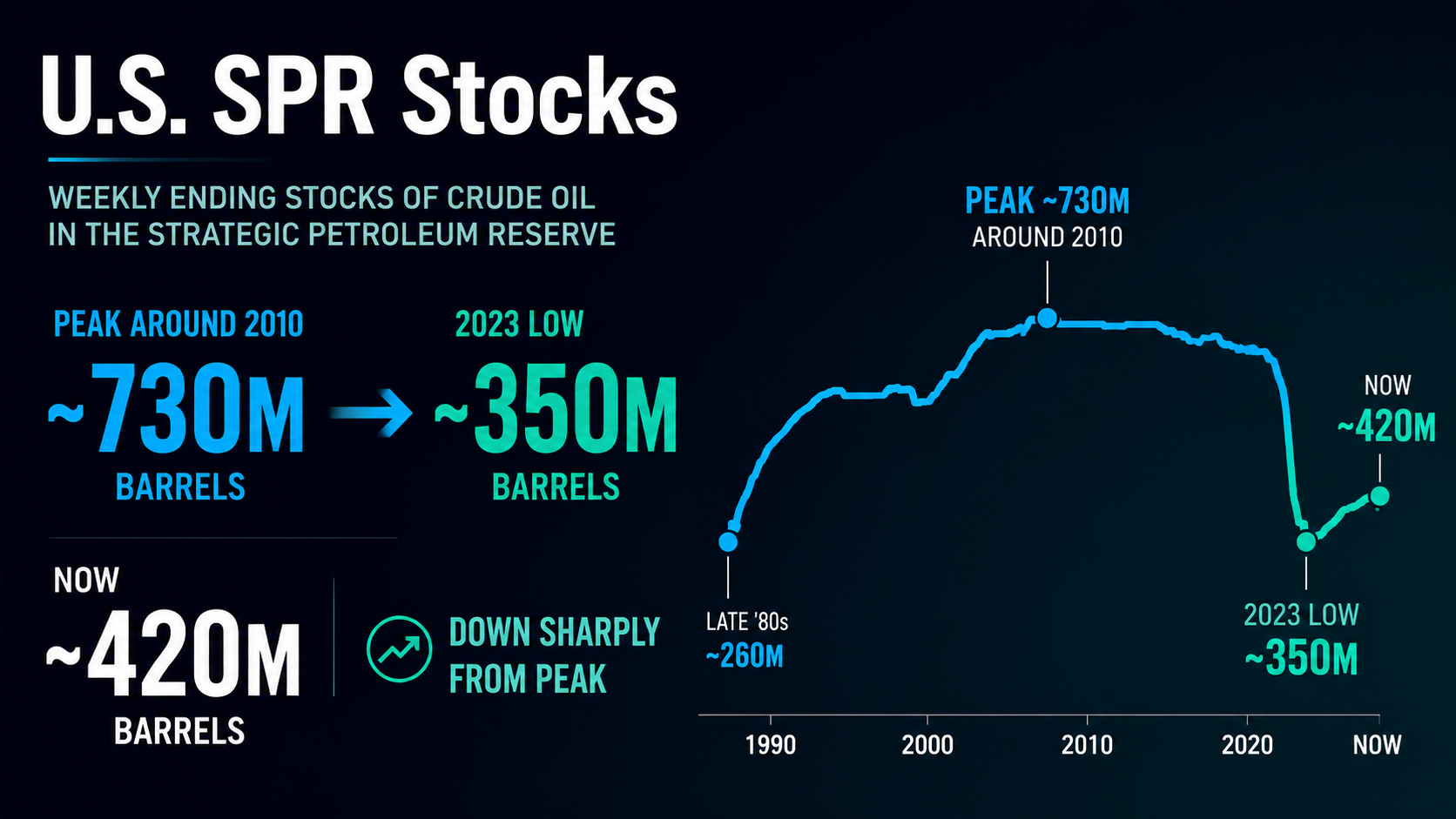
07:25 – U.S. Strategic Petroleum Reserves (SPR) (Onscreen graphic), Data source
07:26 – U.S. SPR at multidecade lows, Stock markets are at all time highs
07:36 – Onscreen graph of OPEC crude oil capacity
07:43 – 30% of tradable crude oil passes through the Strait of Hormuz (Onscreen graph)
09:14 – Game theory
09:45 – Nth-order effects
09:49 – Fertilizer shortages due to the Strait of Hormuz crisis
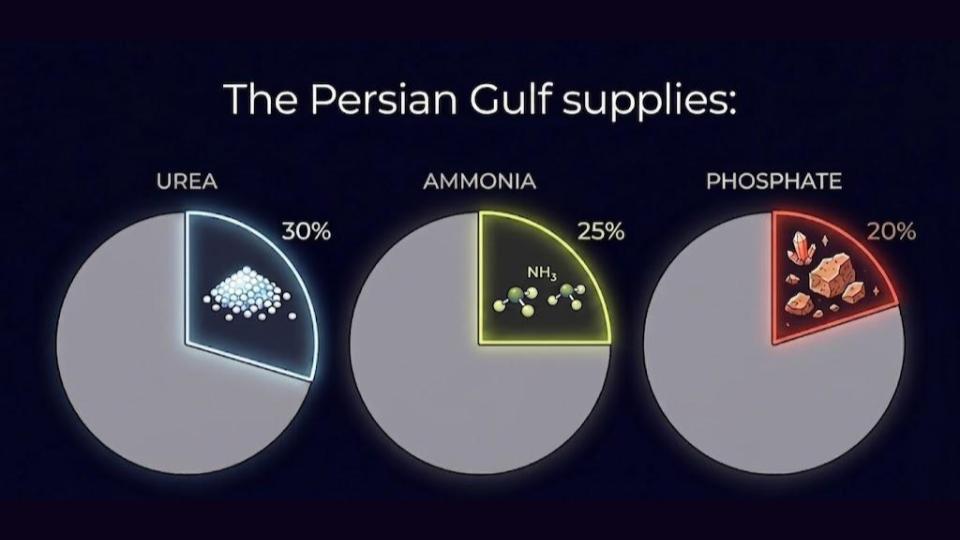
09:55 – Persian Gulf supplies ~36%* of urea, ~29%* of ammonia, 20% of phosphate (Onscreen graphic)
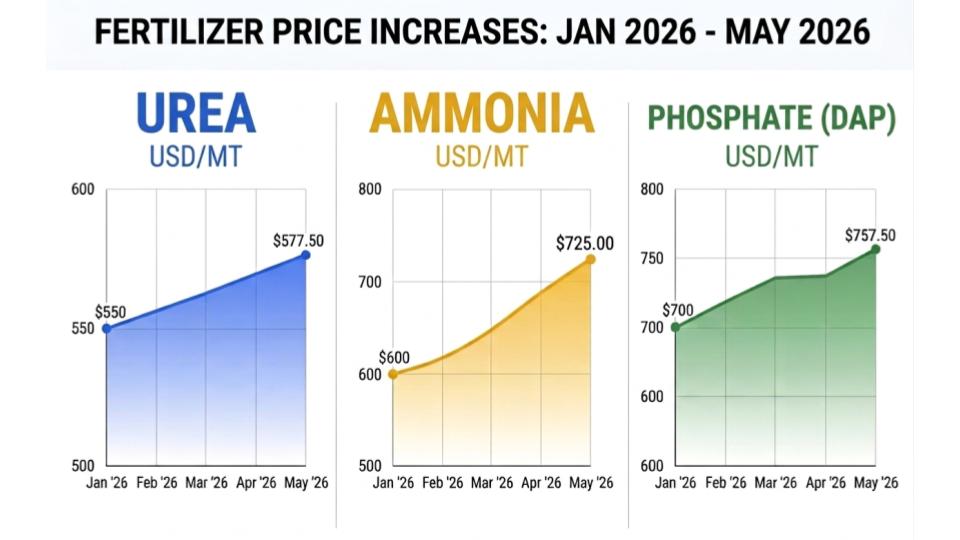
10:05 – Price increases for Urea, Ammonia, Phosphate (Onscreen graphic)
10:20 – Agricultural yields will drop due to fertilizer shortages
10:23 – News Story: Nearly 60% of U.S. farmers say their finances are getting worse as fertilizer fuel costs rise
10:27 – News Story: Iran war has US farmers worried about the cost and availability of fertilizer
10:33 – More than 2 billion* people lack access to clean cooking facilities, relying on the traditional use of solid biomass, kerosene, or coal as their primary cooking fuel (Health effects of cooking over wood)
10:40 – Onscreen graph: Share of the population without access to clean fuels for cooking, 2023
10:52 – India imports 60% of its LPG, and 90% of that LPG travels through the Strait of Hormuz
11:01 – Sub-Saharan Africa transition to LPG
11:18 – LPG prices have hit four-year highs
11:23 – Mumbai households lining up for cook gas tanks
11:28 – Kenyan families reverting back to charcoal from LPG
11:38 – News Story: Energy shock ripples through kitchens, forest and conservation in Africa and South Asia
11:49 – Sri Lanka, Pakistan, and Egypt currencies declining
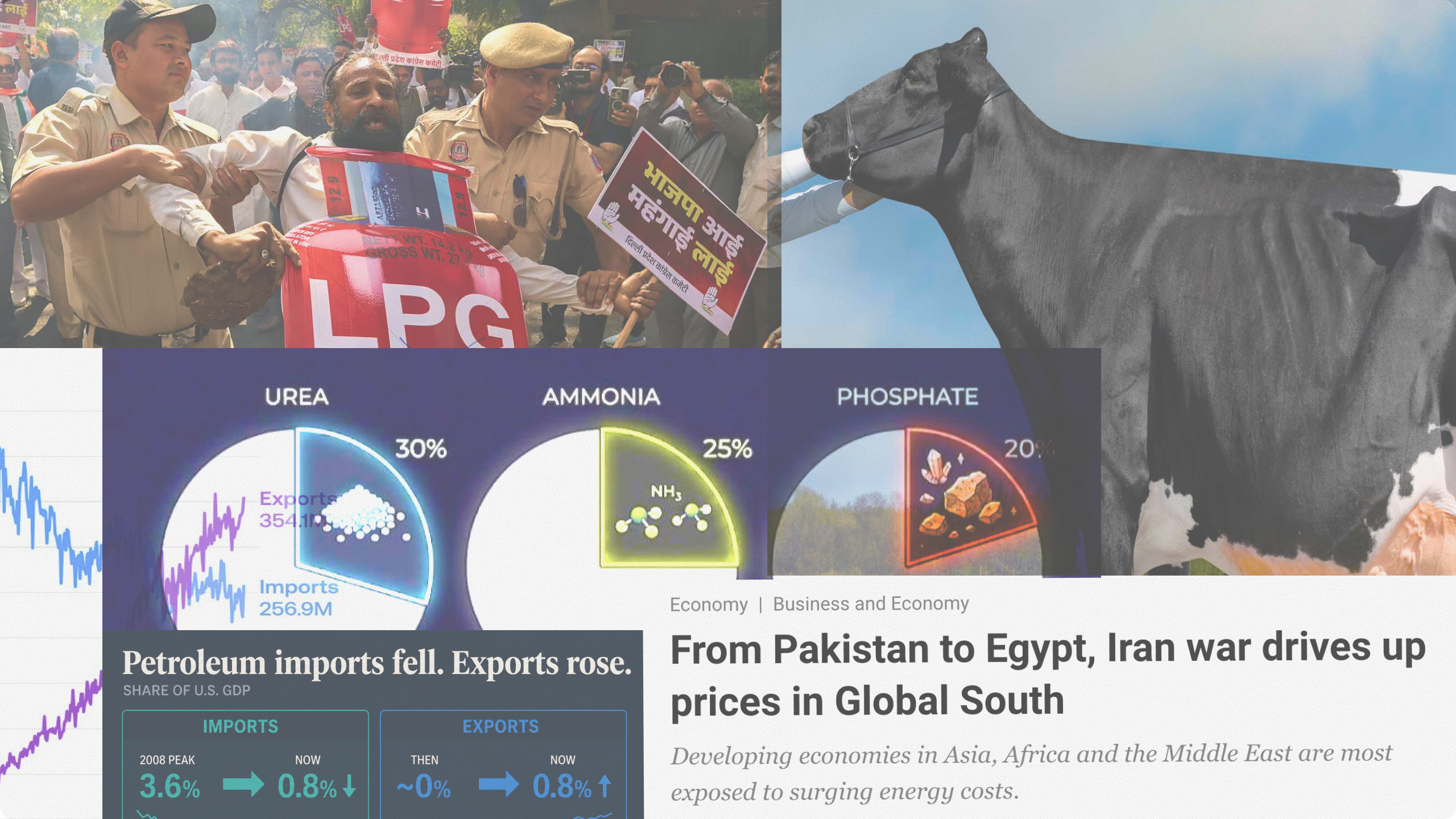
11:50 – News Story: From Pakistan to Egypt, Iran war drives up prices in Global South
12:13 – U.S. gas prices increase (On screen graphic source)
12:25 – Strait of Hormuz closure motion graphic source
13:20 – Boundary Waters in Minnesota just approved for mining projects
13:58 – Critical mineral needs for clean energy technologies (Onscreen chart source)
14:20 – Carbon dioxide emissions, Plastics in the oceans, Endocrine-disrupting chemicals
14:29 – Environmental externalities ignored (More info), Prices do no capture all costs, Internalizing environmental externalities
15:05 – Outsourcing U.S. waste and dirty work to the DRC, Atacama Desert, Inner Mongolia
15:20 – Post-Soviet environmental collapse
16:55 – AI data center growth in last decade
17:00 – News Story: Why Microsoft made a deal to help restart Three Mile Island
17:03 – Hyperscaler definition
17:07 – Hyperscaler capex approaching $1.1 trillion (Onscreen graph source)
17:20 – U.S. electricity demand projected to increase by 10-12% (Onscreen graph source)
17:31 – Global metabolic system (Superorganism), The Superorganism Explained in 7 Minutes
17:57 – Brains take up only 2% of our body mass but consume 20% of our metabolic energy
18:30 – Energy demand and AI
19:08 – News Story: China is winning one AI race, the US another – but either might pull ahead
19:17 – News Story: China has ‘nearly erased’ America’s lead in AI, Stanford report says (Stanford AI Index)
20:02 – Holstein Association 2025 Star of the Breed Award: Oakfield Solomon Sunset-ET
20:33 – Milk production vs. Dairy herd size over time (Onscreen graph source)
20:45 – Selective breeding of dairy cows
21:09 – The Matrix
21:11 – The real life of a dairy cow
21:35 – Animal-industrial complex