#135 | Frankly
Oil 101: What You Actually Need to Know About Oil

Description
This week’s Frankly is the first in a three-part series on the role oil plays in modern civilization, prompted by the recent flow disruptions and geopolitical conflict surrounding the Strait of Hormuz. This initial installment covers some foundational concepts of The Great Simplification platform, including what oil actually is, what it does for us, and why most of us never see any of it.
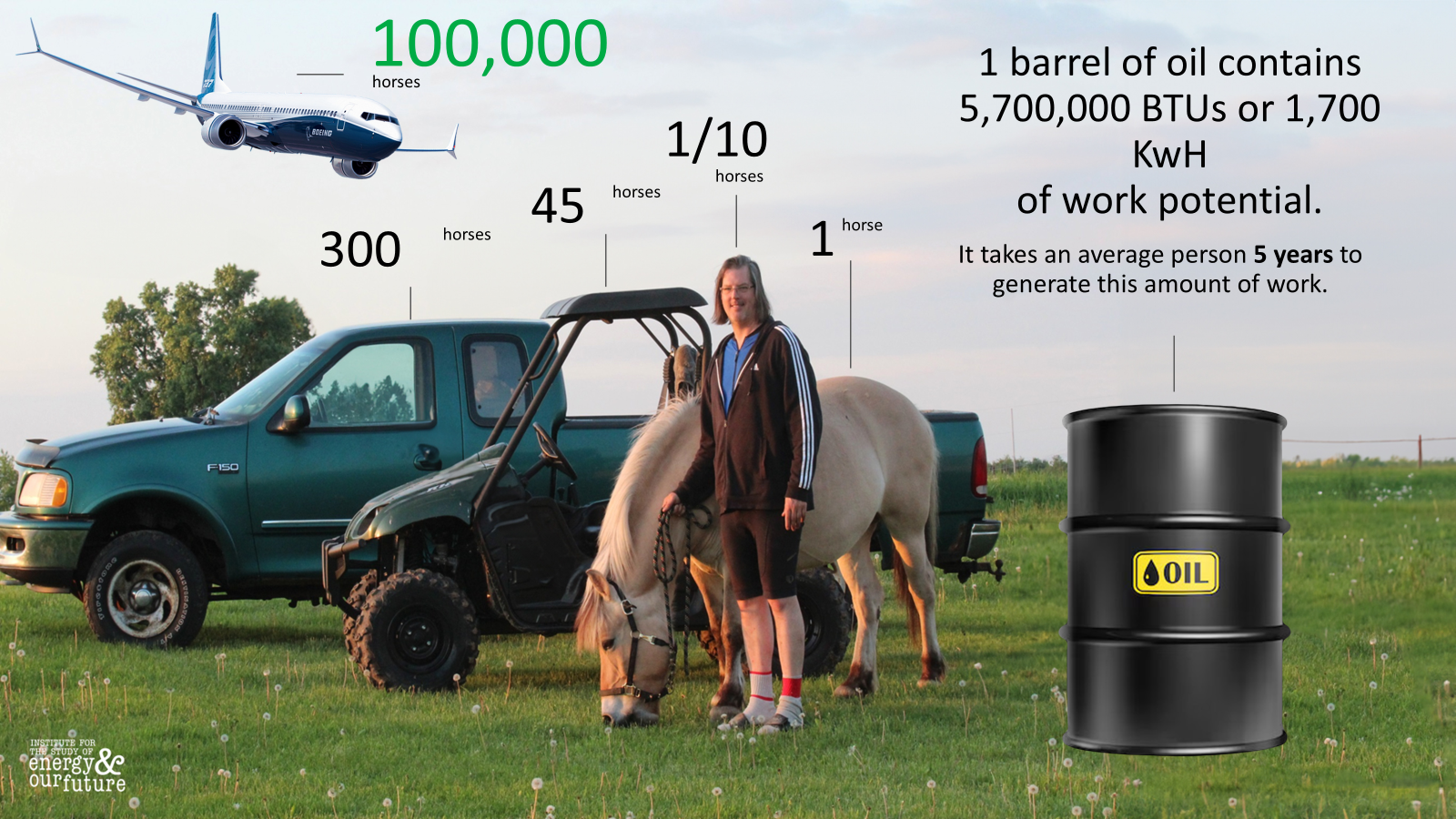
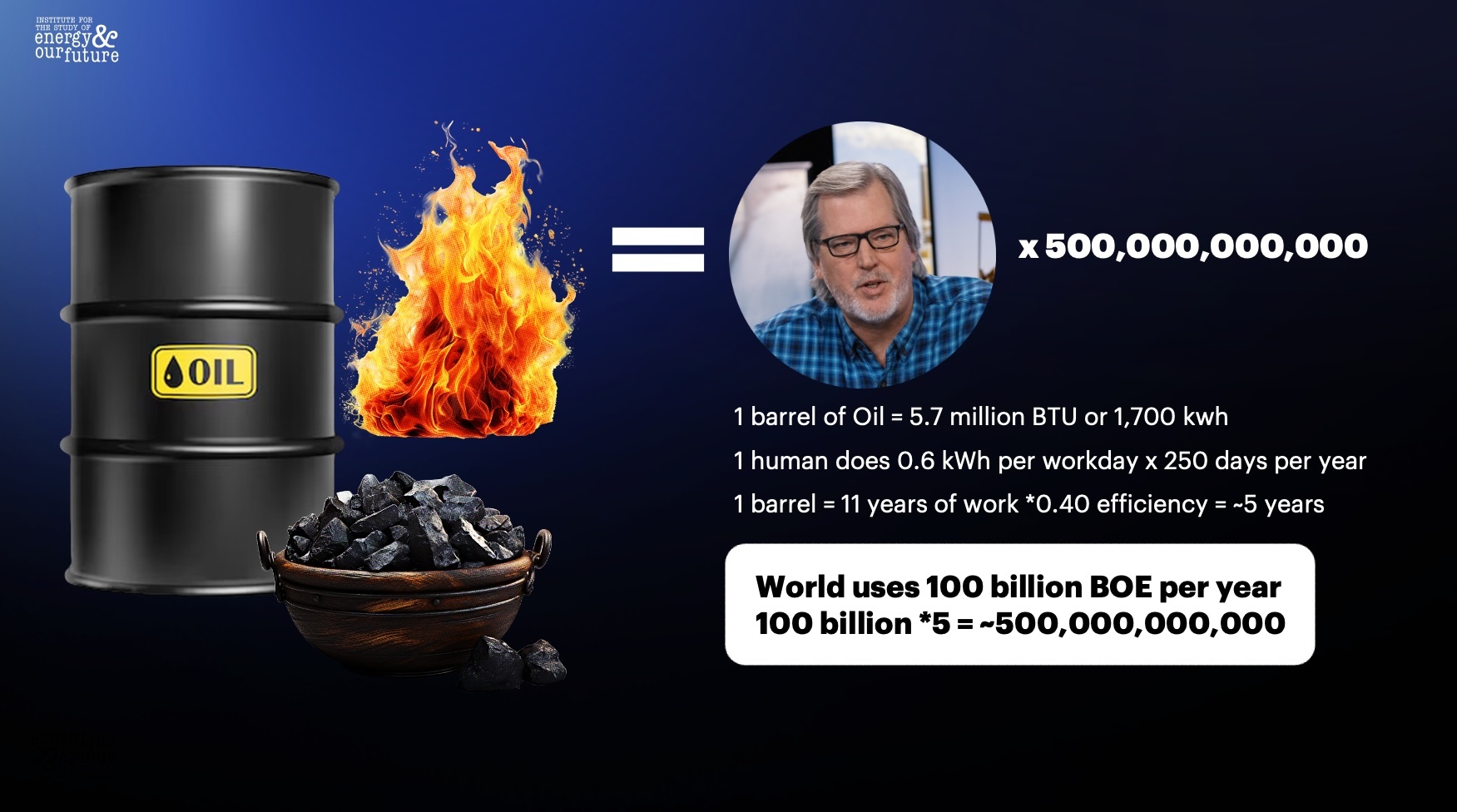
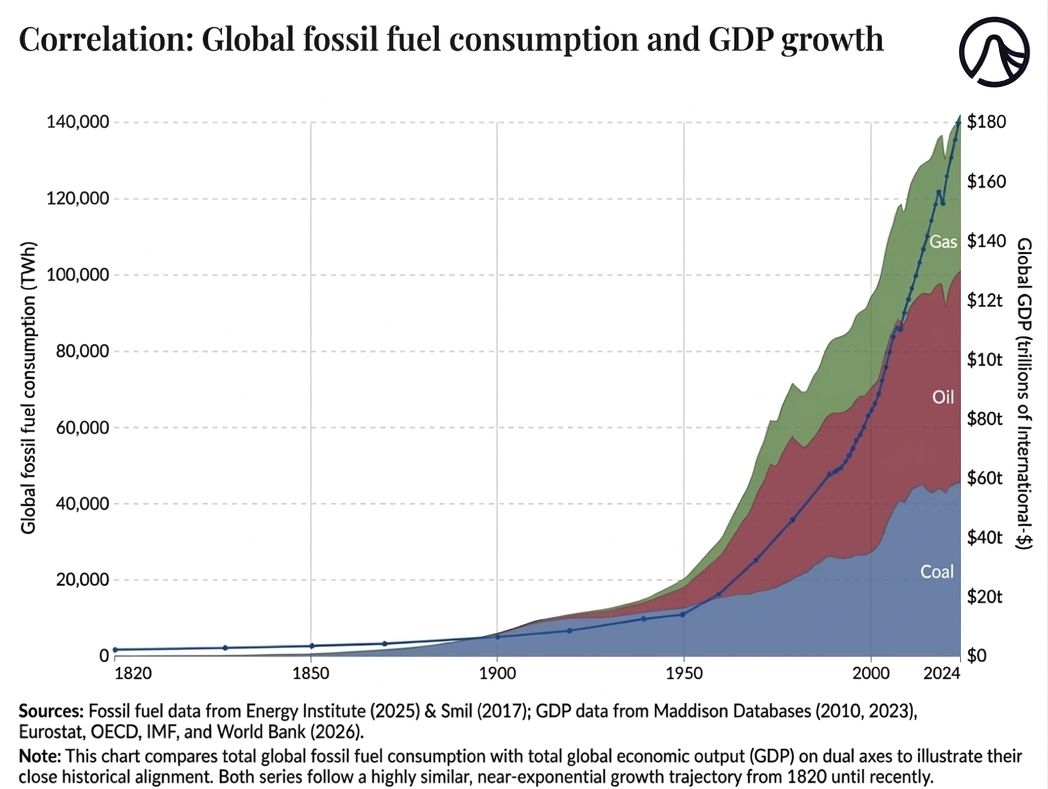
Nate begins by describing how oil formed from the compression of ancient marine phytoplankton over millions of years, framing it as a solar battery that took geological time to charge and that humans are draining in centuries. From there, he outlines the sheer amount of human labor that’s contained within a single barrel of oil – around 5 years’ worth – and scales this to a global level. Nate uses this framing to show how the explosion of population, wealth, and per-capita consumption over the last 150 years was underwritten by an invisible workforce of ancient sunlight. He closes with the metabolic reality that the average American consumes roughly 200,000 calories a day when heating, transport, food systems, and supply chains are considered and assesses why we have become so “energy blind” to it all.
If energy is the invisible labor force underlying every product and service in your life, does that change the way you see the economy? What would it mean to live, even briefly, at a metabolic rate closer to what your body actually requires? And if the work performed by a single barrel of oil is worth orders of magnitude more than its price, what does it say about the systems we have built on top of it?
Show Notes & Links to Learn More
Download transcriptThe TGS team puts together these brief references and show notes for the learning and convenience of our listeners. However, most of the points made in episodes hold more nuance than one link can address, and we encourage you to dig deeper into any of these topics and come to your own informed conclusions.
00:03 – Strait of Hormuz crisis, Iran War 2026
00:20 – Oil (abundant, cheap energy) made our modern civilization possible
01:45 – How oil was created
01:55 – Consuming oil over a million times faster than the time it took to form
02:17 – Oil price over time
02:23 – Work potential of a barrel of oil
02:25 – Reality Blind – Vol. 1 describing the human work equivalent of a barrel of oil, The real price of a barrel of oil, Math calculating human energy in a barrel of oil
03:37 – Environmental cost of burning oil
04:00 – Cost does not equal value
04:21 – Headlines on the Strait of Hormuz:
- The Strait of Hormuz Oil Shock Is Now Heading West
- Global energy crisis deepens; efforts to plug supply gap fall short, industry executives warn
- EU may revive 2022 energy crisis measures in response to Iran war
04:24 – Global fossil fuel consumption
04:30 – Human-worker equivalents of annual fossil fuel use
05:15 – Fossil fuel consumption and GDP growth correlation
05:20 – Population growth
06:00 – Primary energy consumption per capita
07:03 – Average American home has ~40 items plugged in at all times
07:52 – Body needs ~2,000 kcal/day
07:57 – Calorie intake per capita vs. Energy usage per capita, 200,000 kcal/day exosomatic consumption (More info)