#133 | Frankly
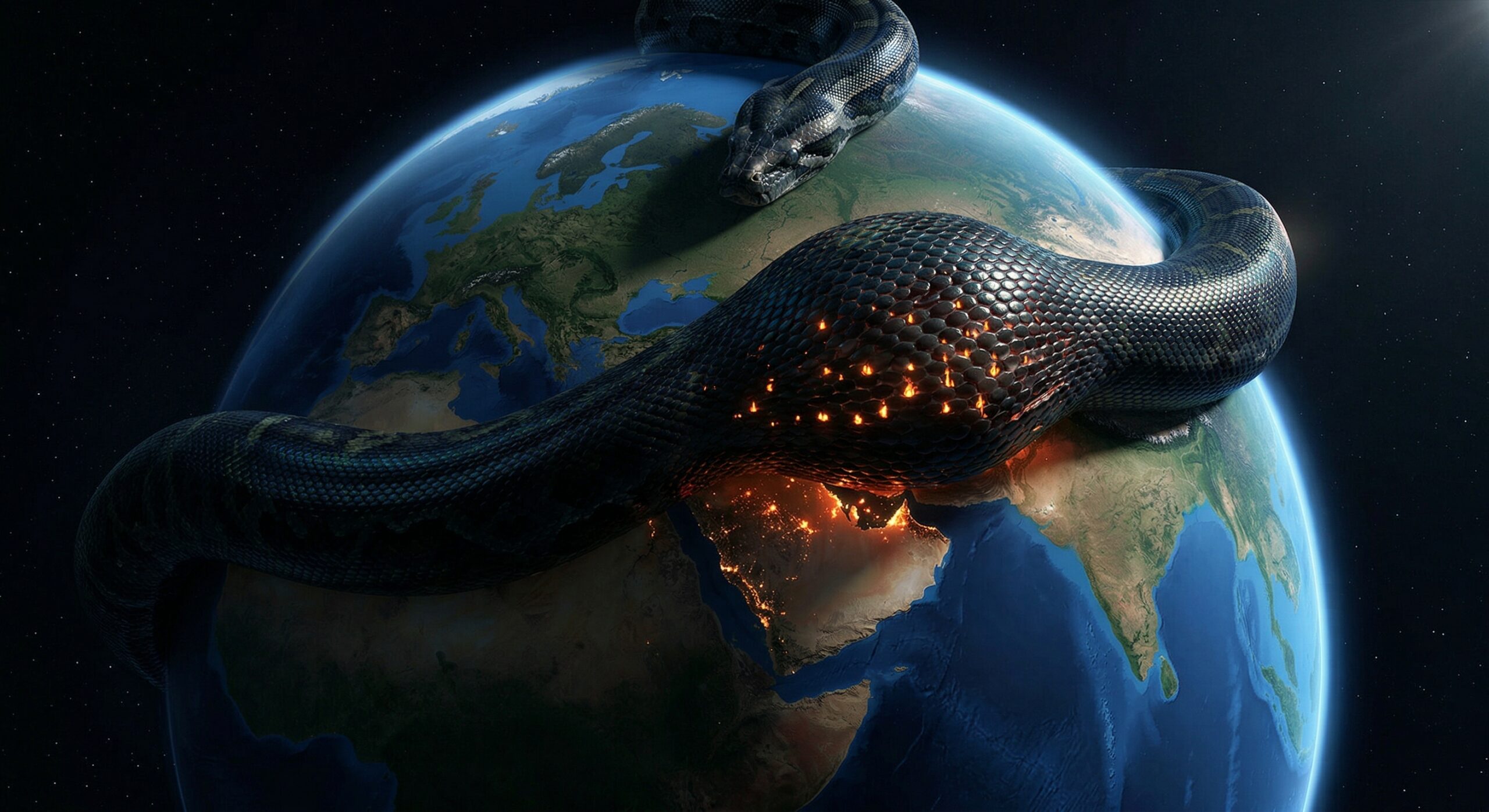
Iran, U.S., and the Rest: The Unavoidable Pig in the Python

Description
In this episode, Nate offers a personal reflection on the unfolding geopolitical tensions surrounding the Strait of Hormuz, beginning with an examination of how disruptions to fossil fuel flows propagate through the global economy, but with a time lag. He points out how many of the world’s countries rely heavily on imported fossil fuels, as well as the potential impact on California’s already high gas prices. Nate also contrasts the relative insulation of those in the United States with the far greater exposure of those living in Asia, Europe, and Africa, outlining how second- and third-order effects are already emerging in the form of conservation measures, rationing, and shifting daily behaviors.
Alongside this structural analysis, Nate turns to the lived experiences of people navigating changing conditions in real time. He shares stories from listeners on this platform, highlighting how proximity and awareness shape the ways in which individuals and communities respond to the more-than-human predicament. Nate concludes by outlining the biophysical phase shift that is quickly emerging, in which financial systems, material realities, and human expectations begin to diverge and require new forms of adaptation at all scales.
How might the impacts of current conflicts ripple into your own community, and on what timeline? Where might we shift our behaviors, mindsets, priorities, or attention to better respond as systemic changes continue to unfold? Have you considered time as one of our fastest-depleting resources?
Show Notes & Links to Learn More
Download transcriptThe TGS team puts together these brief references and show notes for the learning and convenience of our listeners. However, most of the points made in episodes hold more nuance than one link can address, and we encourage you to dig deeper into any of these topics and come to your own informed conclusions.
00:43 – 2026 conflict between Iran and the U.S./Israel
01:32 – Predicaments versus problems
02:19 – U.S. is mostly energy independent
02:27 – California oil imports, California gas prices comparison
02:52 – ¾ of world’s population lives in countries that are net importers of fossil fuels
03:00 – Over 50 countries import over half of their energy as fossil fuels
03:05 – ⅕ of global GDP comes from countries where fossil fuel imports provide over ⅔ of their energy
03:20 – Japan gets almost ¾ of its oil through Strait of Hormuz
03:55 – The Philippines declares national emergency, Bangladesh shuts down universities
04:10 – Thailand tells government workers to take the stairs
04:22 – South Korea advises shorter showers and daytime phone charging
04:30 – Many African countries have begun rationing fuel
05:35 – Mahamudra meditation
07:22 – George Soros, Theory of market reflexivity
07:43 – Financial claims on biophysical reality, The Biophysical Pyramid Substack, Frankly 121: Wide Boundary News 1/30/26
08:13 – Average American today consumes 150 times the physical goods and services that the average human did two centuries ago
08:40 – The Holocene