#136 | Frankly
Built for Cheap Energy: What Happens When the Oil Stops Flowing

Description
This week’s Frankly is the second in a three-part series on the role oil plays in modern civilization, prompted by the recent flow disruptions and geopolitical conflict surrounding the Strait of Hormuz. This installment explores how modern society has been built on the assumption of cheap and abundant energy, and what happens when that assumption breaks down. Nate describes the ways our built systems, including food production, water treatment, manufacturing, and global trade, are calibrated to cheap energy inputs, and how processes that look economically efficient are often deeply inefficient in physical terms. He walks through the staggering degree to which the modern food system runs on fossil hydrocarbons, noting that roughly ten calories of fossil energy now go into every calorie of food on the plate, and that the Haber-Bosch process for synthetic fertilizer is what allows the planet to feed roughly half of its current population.
Nate then traces the accelerating depletion of conventional oil fields and the turn towards shale, which behaves as a fundamentally different resource than the conventional wells it has been masking. He considers the alternatives often proposed as replacements, highlighting why energy quality matters as much as energy quantity, and why solar and wind are better described as ‘rebuildable’ rather than ‘renewable.’ The episode closes with Jevons paradox and the historical pattern that humans have never actually transitioned off an energy source, only ever adding new ones on top of the old.
Why can’t we simply swap in alternative technologies for fossil hydrocarbons? What does the turn toward shale mean for systems built around cheap and stable energy inputs? And how might oil supply disruptions reshape the things you do, consume, and think about in your daily life?
Show Notes & Links to Learn More
Download transcriptThe TGS team puts together these brief references and show notes for the learning and convenience of our listeners. However, most of the points made in episodes hold more nuance than one link can address, and we encourage you to dig deeper into any of these topics and come to your own informed conclusions.
00:00 – An Introduction to the Importance of Oil to Society Series: Oil 101, Essay version of this Frankly
00:11 – We’ve built all of modern civilization on cheap, abundant fossil fuels
00:27 – Recent oil price spike
00:33 – Relative oil prices
01:00 – Industrial revolution correlated to fossil fuel consumption
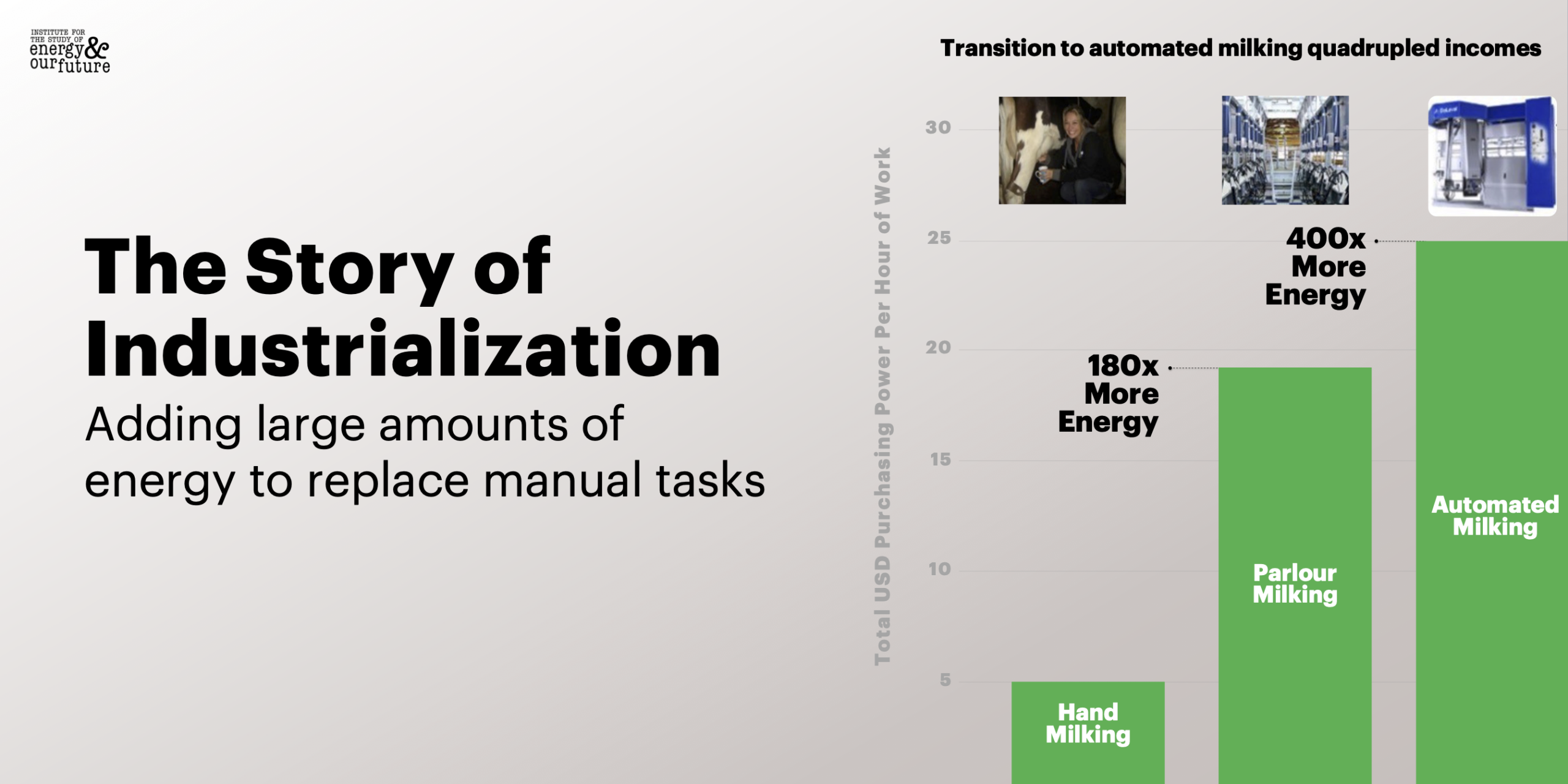
01:25 – U.S. milk production and dairy herd, 1985-2025
01:35 – Fossil fuel energy flows and waste
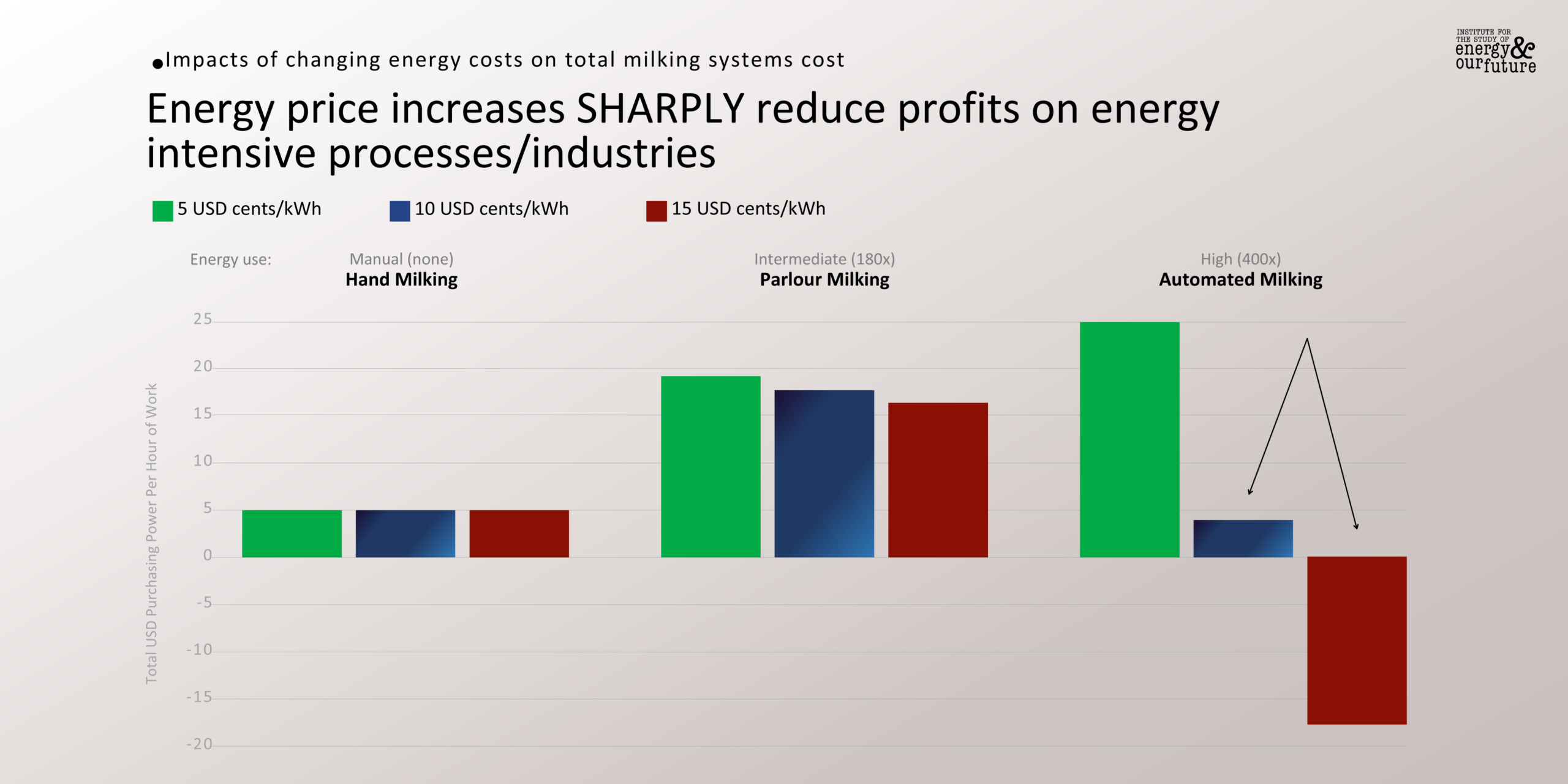
01:45 – Industrialization allowed large GDP growth, Energy price increases sharply reduce profits on energy intensive processes/industries (More info)
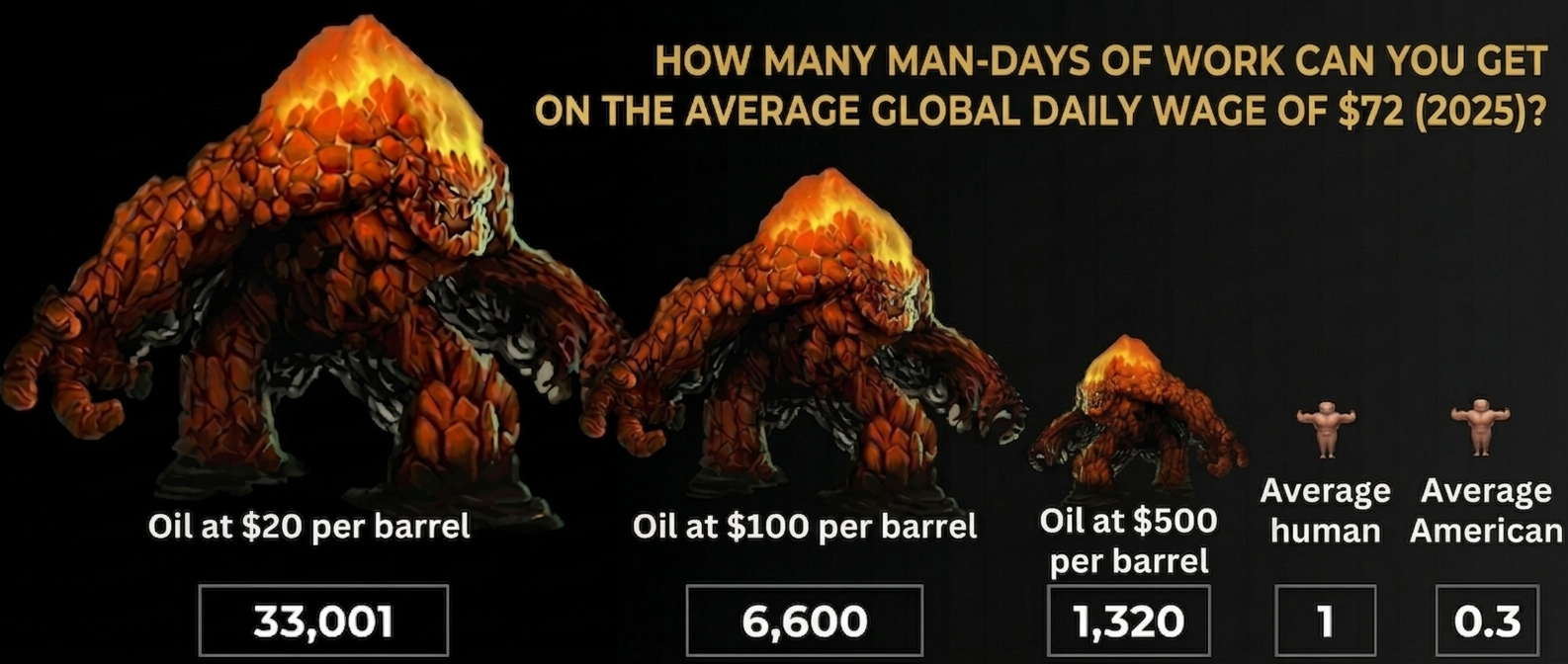
02:10 – Man-days of work you can get from oil at different prices, Reality Blind – Vol. 1 describing the human work equivalent of a barrel of oil, The real price of a barrel of oil, Math calculating human energy in a barrel of oil
02:55 – Roughly 10 calories of fossil input for every 1 calorie of food on your plate (pg 11)
03:08 – Fuel to Fork Report
03:20 – About half the nitrogen in your body today carries a chemical signature from the Haber-Bosch process
03:33 – Haber-Bosch process allows us to feed 4 of the 8 billion people on the planet
03:41 – Waste water treatment process
04:07 – Makeup of a barrel of oil, Products that come from a barrel of oil
04:35 – Petroleum that goes into electric vehicle manufacturing
04:45 – Complexity of today’s supply chains
05:19 – U.S. map of oil and natural gas reservoirs
05:30 – The U.S. has produced and consumed more oil than any other country in history
05:40 – Around 60% of the world’s remaining conventional oil sits inside the Middle East (More info)
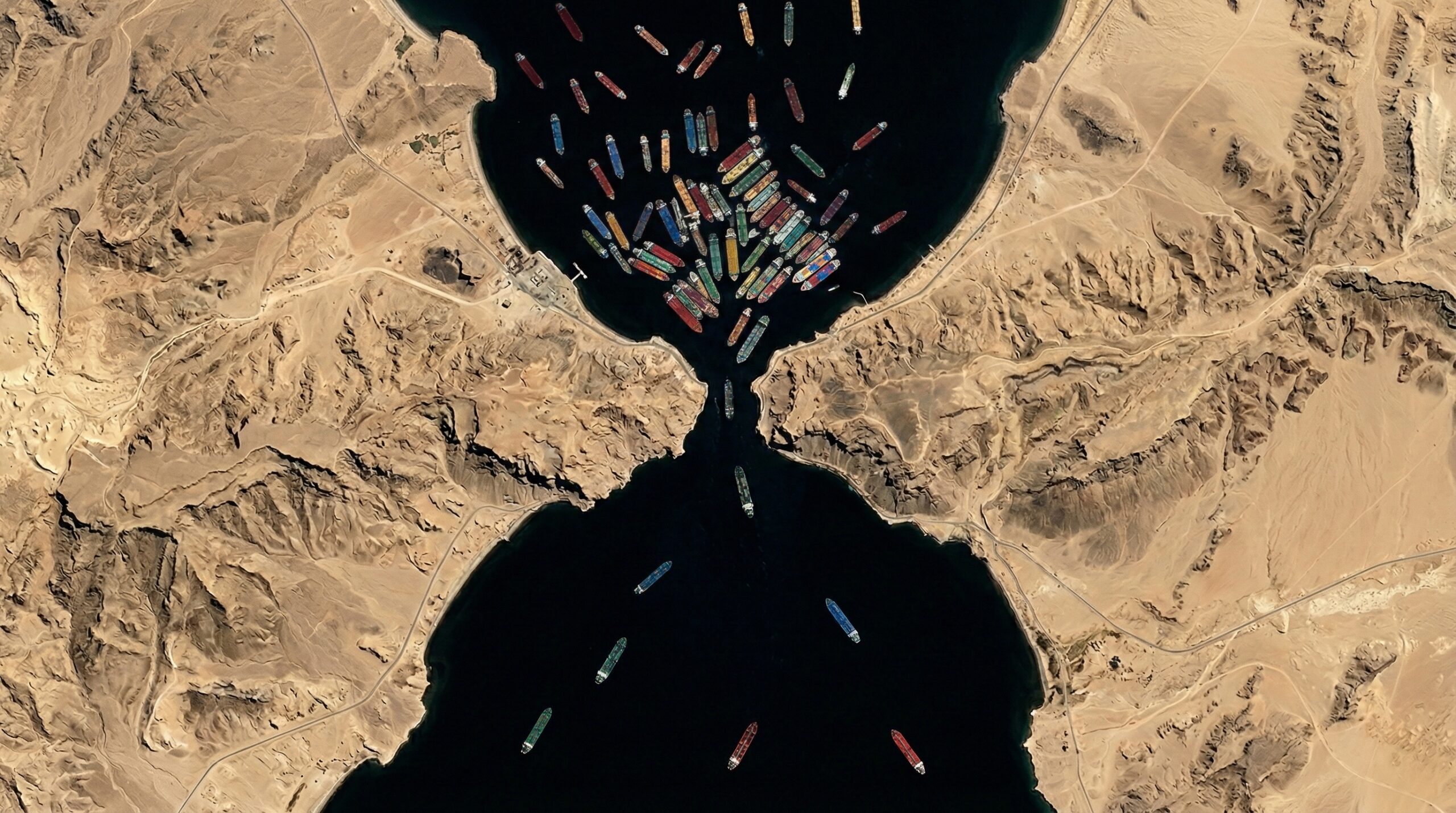
05:50 – Percentage of oil that passes through the Strait of Hormuz
06:15 – Iran war shock drives steepest hike yet in oil price forecasts
06:28 – State-owned oil companies (More info)
06:59 – Map of major current conflicts
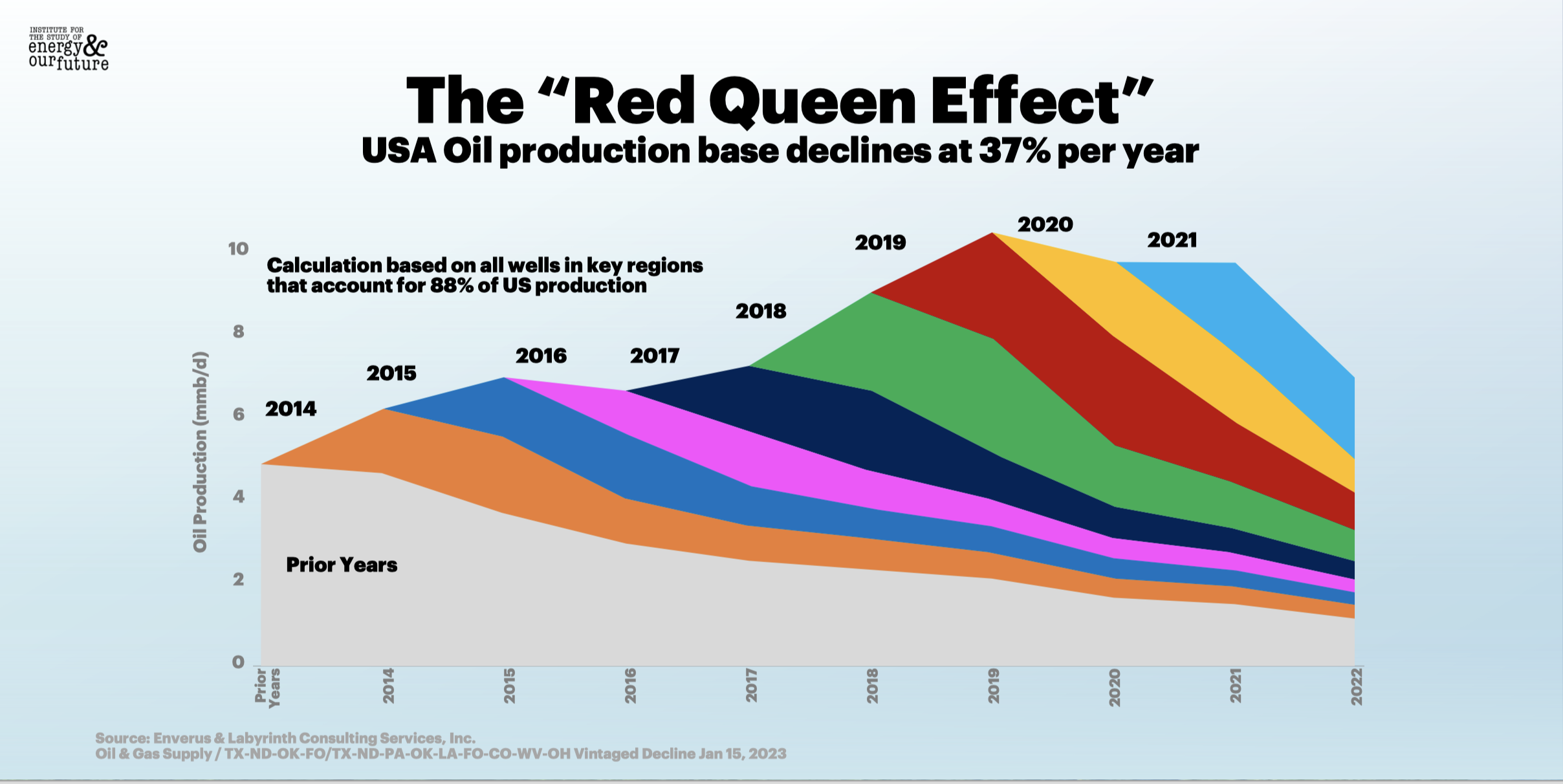
07:25 – The “Red Queen Effect” (More info)
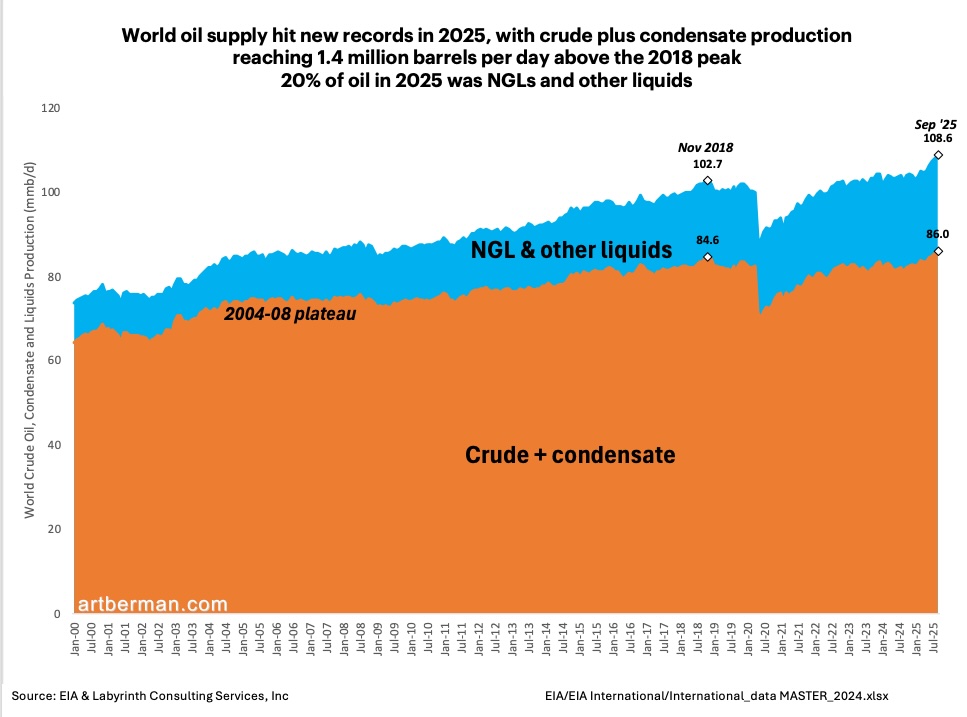
07:33 – World oil supply hit new records in 2025
07:39 – Exxon oil and gas depletion figures
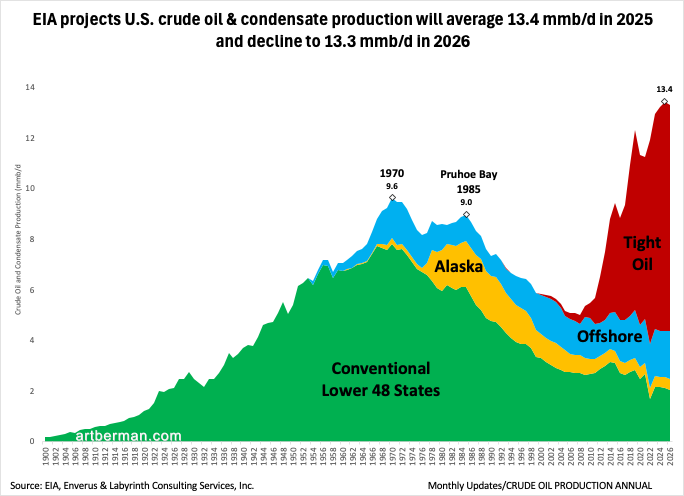
07:49 – Tight oil projections
07:59 – Fracking technology
08:10 – The “slurping sound”
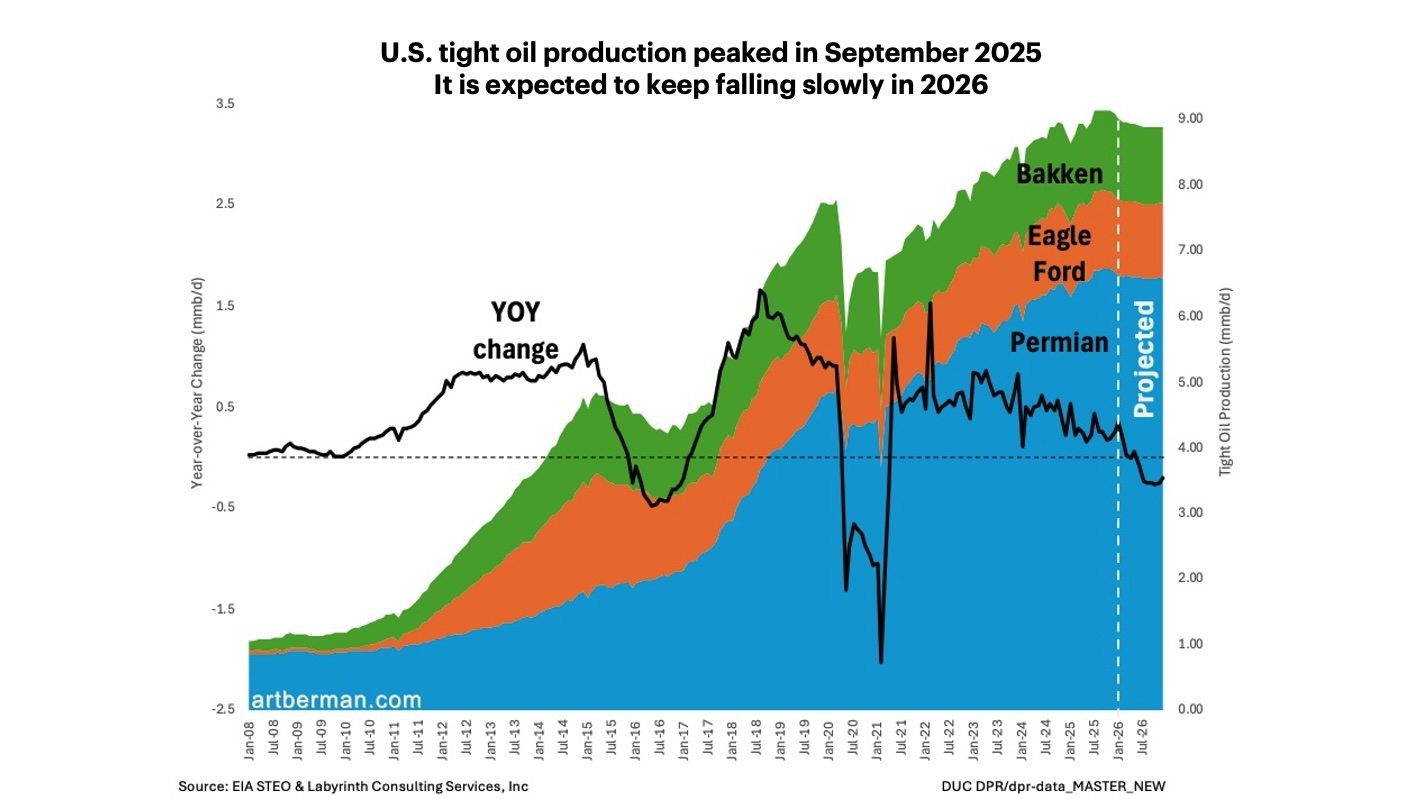
08:17 – U.S. tight oil production graph
08:45 – Energy density of oil
09:15 – Energy vs. power
09:25 – Maximum power principle
09:50 – Wind and solar power intermittence
10:08 – Energy density of nuclear energy, Challenges of nuclear energy
10:52 – Critical materials in solar panels and wind turbines
11:06 – Lifecycle of renewable energy production facilities
11:50 – Global primary energy consumption by source
11:58 – Jevon’s paradox
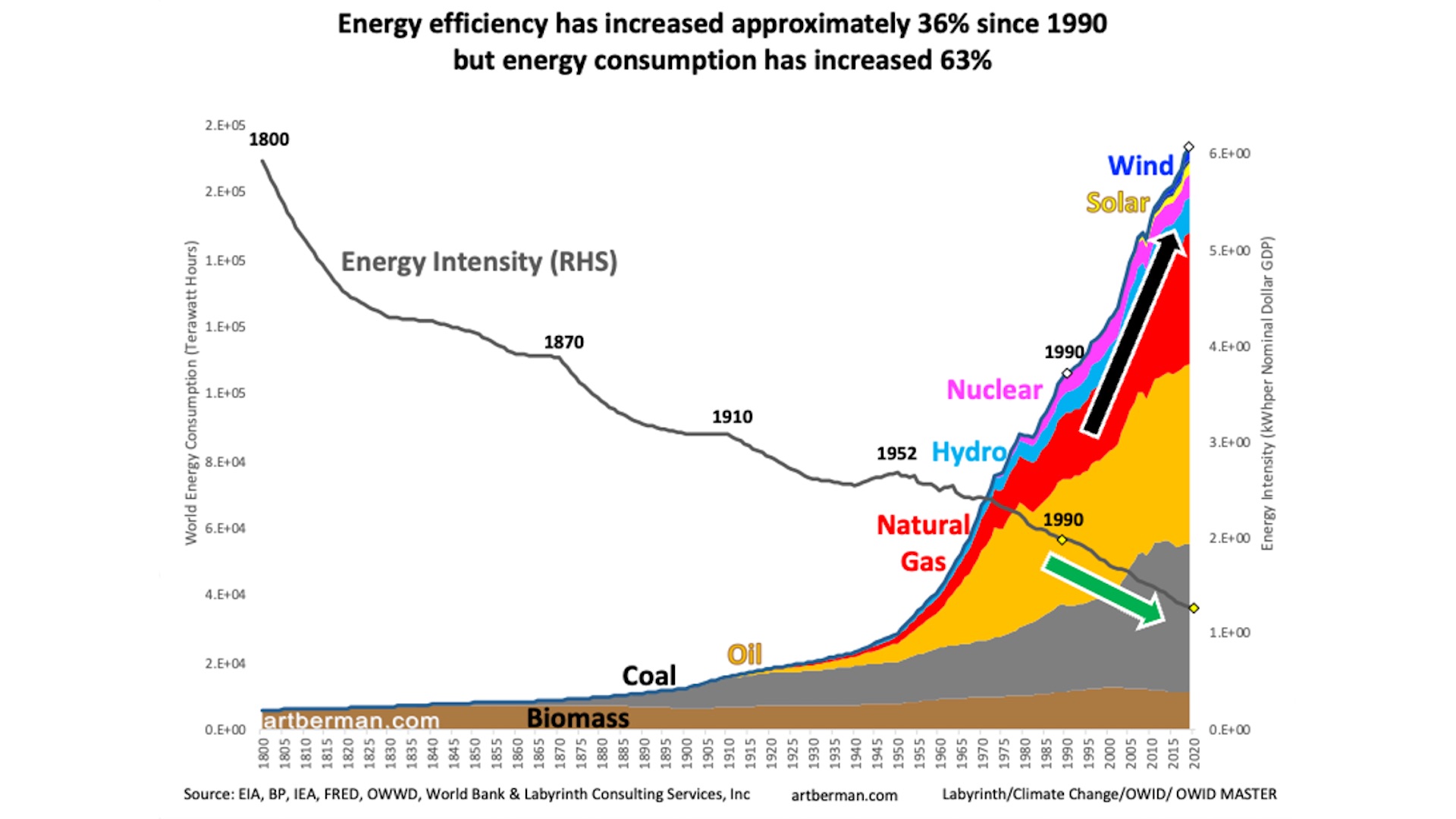
12:00 – Energy efficiency increase vs. energy consumption increase since 1990
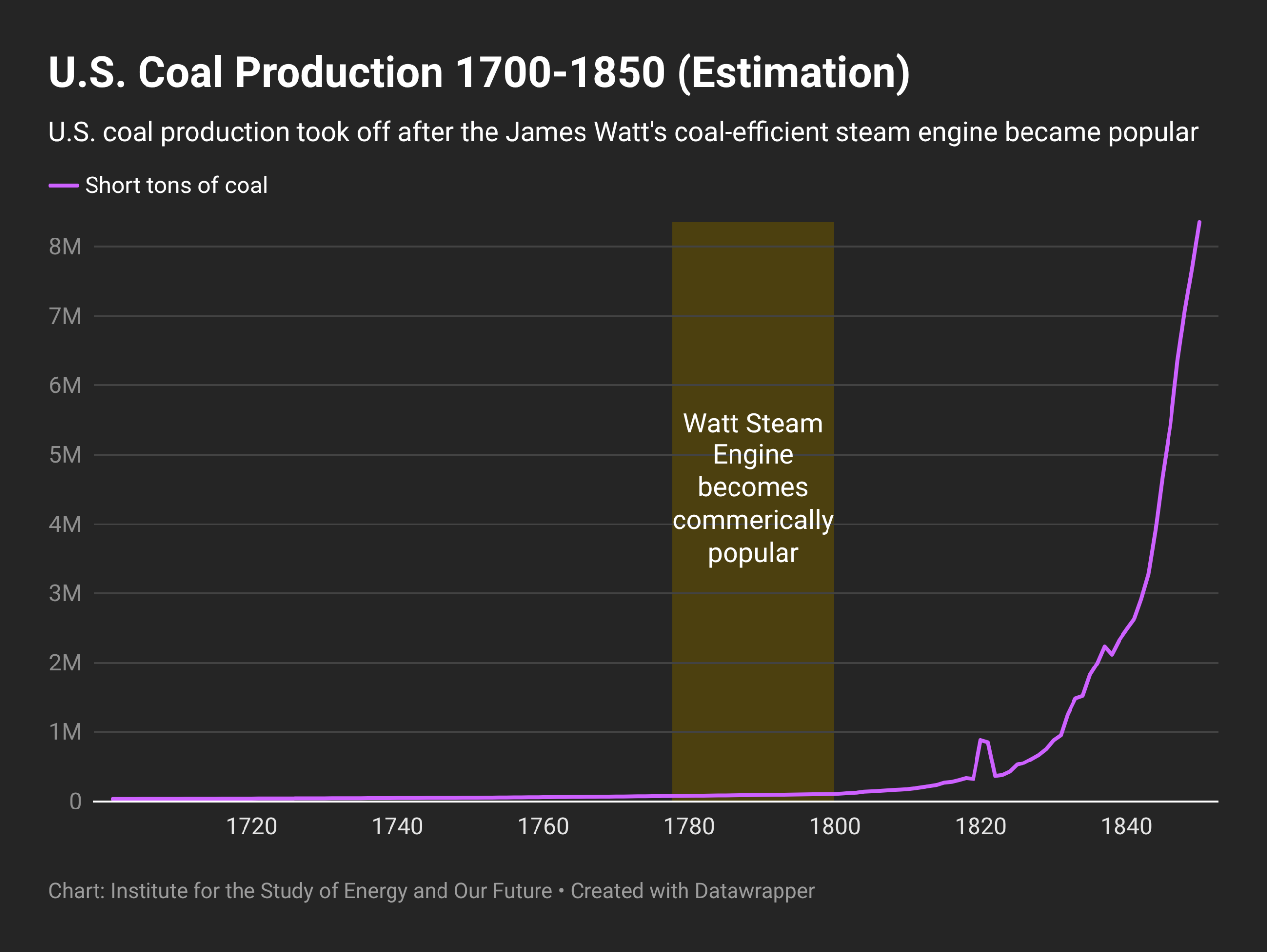
12:08 – U.S. coal production 1700-1850 (estimation)
12:17 – LED lightbulbs encourage more electricity consumption
12:23 – Fuel-efficient encourage us to drive more, Urban sprawl
13:31 – The Carbon Pulse, Possible future shapes of the Carbon Pulse, Future growth scenarios