Ep 241 | Iroro Tanshi
Saving Bats to Save Ourselves: How to Stop the Tragedy of the Commons

Description
One in five mammal species on Earth is a bat, yet they remain some of the most overlooked and misunderstood creatures in conservation. Bats pollinate crops, control pests, and spread seeds over large areas. But as climate change pushes temperatures and rainfall to new extremes, many forests are increasingly at risk of catching fire, threatening both the wildlife and communities that depend on them. What happens when the land-management knowledge communities have relied on for generations no longer matches reality, and how can species like bats become the catalysts to realign them?
In this episode, Nate is joined by Nigerian bat biologist Iroro Tanshi to explore how the rediscovery of a bat species unseen in Nigeria for 45 years – and a wildfire that destroyed half its habitat just days later – launched a community-led fire prevention program. Iroro explains how listening to farmers, who no longer knew when it was safe to burn their fields, led to a simple fire danger warning system that local leaders then backed with their own bylaws, directly addressing tragedy-of-the-commons dynamics. She also shares what it’s like to navigate conversations about climate and biodiversity with rural Nigerian communities, and how her team is now scaling their fire management solution across the tropics.
What can a tragedy of the commons in rural Nigeria teach us about collective action everywhere? Why might the people experiencing the worst impacts of climate change also be the ones best equipped to lead the response? And in a world drifting toward extremes, what are the fundamental human practices we’ll need to relearn in order to adapt to a future that will look very different from the past?
Thumbnail image credits: Etinosa Yvonne
About Iroro Tanshi
Iroro Tanshi is a Nigerian ecologist and conservationist whose work focuses on field biology, biodiversity research, and community-led conservation. She earned a PhD in biology from Texas Tech University, where she also received the Horn Distinguished Professors Graduate Research Award for her work in African biodiversity conservation and community engagement. Tanshi’s work in Nigeria led to the 2016 rediscovery of the critically endangered short-tailed roundleaf bat – a species that had not been recorded there for roughly four decades. She helped to spark the “Zero Wildfire Campaign” with local communities in order to end harmful land burning practices that contributed to the decline of key bat populations. In the process she co-founded the Small Mammal Conservation Organization (SMACON), whose work in the Southern Nigeria region continues to conserve both individual species, and the forests and social systems on which biodiversity depends.
Tanshi’s research and conservation career has earned international recognition – this includes the Future for Nature Award in 2020, the Whitley Award in 2021, the Pritzker Emerging Environmental Genius Award in 2023, the 2026 Goldman Environmental Prize, and being recognized as a National Geographic explorer. Much of her recent work has focused on Afi Mountain Wildlife Sanctuary and other remaining primary forests in southeastern Nigeria, where biodiversity conservation is inseparable from the realities of farming, fire, livelihoods, governance, and local decision-making. Tanshi continues to put into action a social-ecological approach to conservation that treats local communities as collaborators, not obstacles. She prioritizes building trust, aligning incentives, developing local expertise, and making conservation durable through local agency.
Show Notes & Links to Learn More
Download transcriptGuest:
Iroro Tanshi: Works, Co-founder & Co-Executive Director, Small Mammal Conservation Organization (SMACON), University of Washington Postdoc
Grab-and-Go Resources:
New? Start here:
- Directional Advice for the (More Than) Human Predicament (Frankly #114)
- What to Do as the World Falls Apart: A Framework for Action (Frankly #132)
From the Archive:
- Ep 151: André Guimarães, Fires in the Rainforest: The Impossible Economics of a Disappearing Amazon
- Ep 150: Carlos Nobre, Carbon Sink to Carbon Source? How the Amazon Rainforest Could Become a Self-Drying Savanna
- Ep 131: Joe Roman, Eat, Poop, Die: Animals as the Arteries of the Biosphere
Episode Foundations:
- Fireproofing Nigeria’s Last Primary Forest and Solving Planetary Crises by Iroro
- Hidden Afrotropical Bat Diversity in Nigeria: Ten New Country Records from a Biodiversity Hotspot (Tanshi et al., 2021)
- Exploitation of Bats for Bushmeat and Medicine (Mildenstein, Tanshi & Racey, 2016)
- Asynchronous carbon sink saturation in African and Amazonian tropical forests (Hubau et al., 2020)
Next Steps:
- Tropical Fire Alliance
- Support bat conservation, Build a bat house
- Find your bat people: GBatNet
- Support SMACON’s bat and wildfire work
Resources by Timestamp:
03:07 – Related research: Floral scent of bat-pollinated species: West Africa vs. the New World
03:58 – Threats and knowledge gaps in global bat conservation, Underrepresentation of bats in Africa’s protected areas
04:08 – Climate Week NYC 2026, Global warming in the pipeline
04:21 – Charismatic megafauna and the conservation funding gap for bats
04:39 – One in five mammal species is a bat
05:05 – *About 6,900 mammal species, 1,515 of them bats
05:42 – *Bats’ pest control worth more than $3.7 billion a year to North American agriculture, including corn and cotton
06:16 – Shea nuts mostly harvested from wild trees
06:34 – Fruit bats disperse shea tree seeds
07:00 – Janzen–Connell hypothesis: seedlings survive better away from the parent tree
07:20 – Iroko (Milicia excelsa) timber seeds dispersed by straw-coloured fruit bats
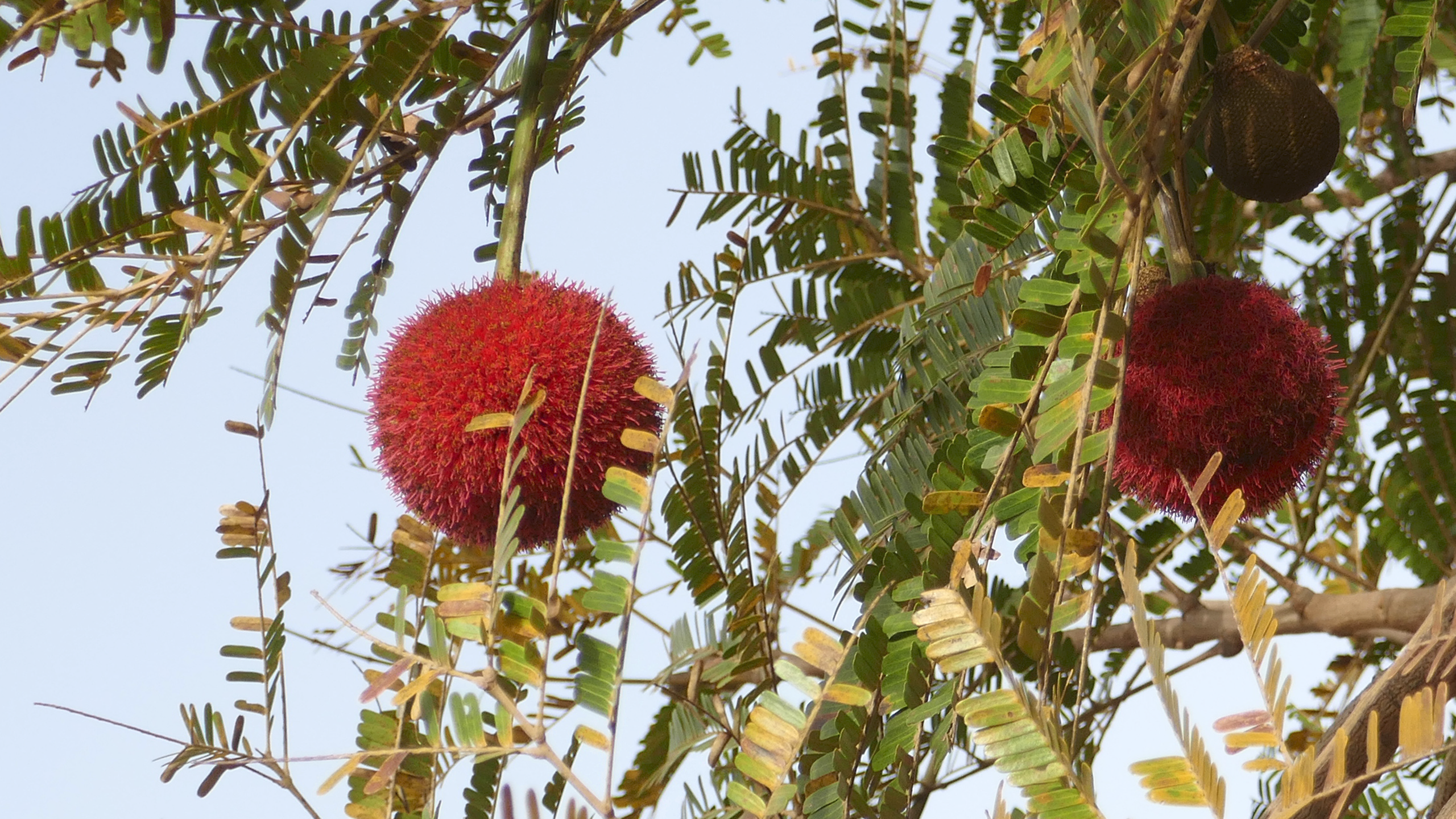
07:39 – Parkia biglobosa flower heads bloom for a single night
07:41 – In-video insert of Parkia biglobosa
08:09 – Fermented locust beans: iru and soumbala
08:49 – Bat pollination (chiropterophily)
09:09 – *Nigeria’s 100 known bat species: almost a third of Africa’s bat diversity, Nigeria’s vegetation zones from mangrove to Sahel
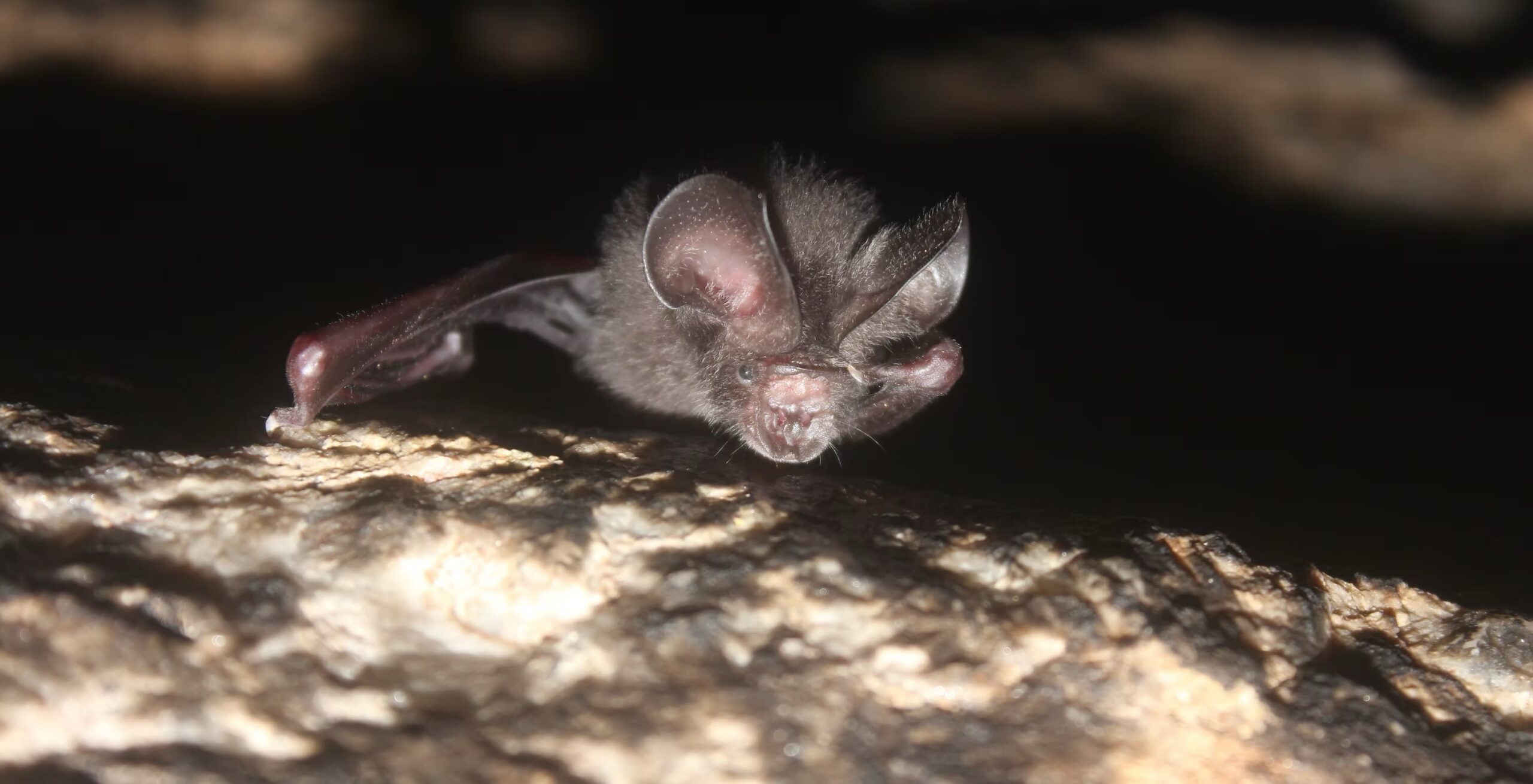
09:57 – Short-tailed roundleaf bat rediscovered in Nigeria after 45 years
10:03 – The old IUCN rule: a species unseen for 50 years could be declared extinct
11:14 – Farm fires spreading into Afi Mountain’s forests
11:38 – Zero Wildfire Campaign
11:51 – Rains now starting later and ending earlier in Cross River State
12:10 – Slash-and-burn agriculture: short-term ash nutrients, longer-term costs
13:11 – Climate change shifting and widening the bell curve of temperatures
14:32 – Community solutions as frontline climate adaptation
15:22 – Tragedy of the commons, Collective action problem
18:39 – Colour-coded fire danger signposts and community weather stations
18:56 – NASA FIRMS near-real-time fire data
19:20 – *One community’s forest bylaws set fines of up to $200
21:51 – Related research: Wildfire risk has increased, but we can still influence where and how fires strike
23:32 – *About 520 living languages in Nigeria, over 250 ethnic groups
24:23 – Nigerian Pidgin, the most widely spoken language in Nigeria
25:42 – Shifting baselines (Nate and DJ’s book covering such)
26:10 – Bats associated with witchcraft in Nigeria, fruit bats hunted as bushmeat
26:48 – Non-timber forest products in Nigeria: snails, wild fruits, medicinal plants
27:24 – Sacred groves and ancestral ties to forests in Nigeria
28:13 – Small Mammal Conservation Organization (SMACON)
29:13 – Elephants in Nigeria, fewer than 50 lions left in Nigeria
30:11 – Black cat superstitions across cultures
31:20 – Gas flaring in Nigeria
32:20 – Nature documentaries: Serengeti wildebeest migration, Kruger National Park’s Nile crocodiles, the Amazon’s tallest known tree
34:17 – The 1.5°C threshold: 2024 likely the first calendar year above it
34:25 – Urban heat islands
35:31 – Heat stress in bats: wing-fanning and mass die-offs of Australian flying foxes
36:13 – Global decline of terrestrial insects (The Great Simplification Ep on the insect crisis)
36:19 – Most bats are insectivores
36:26 – *Three vampire bat species, found from Mexico through Central and South America
36:50 – Vampire bats feed through a small incision, aided by anticoagulant saliva
38:57 – Kunming-Montreal Global Biodiversity Framework
40:04 – More frequent and intense hot extremes, heavy rainfall and droughts
40:47 – *Nepal’s August 2026 glacier-collapse flood: more than 1,000 dead
40:50 – Indonesia’s 2026 wildfires: about 200,000 hectares burned by July
40:52 – NOAA El Niño Advisory: over 90% chance of a very strong 2026-27 event (The Great Simplification Ep on the Super El Niño)
41:06 – Evidence on El Niño and next year’s US wildfire activity
41:45 – *Afi Mountain Wildlife Sanctuary covers about 100 km² (~24,700 acres)
42:01 – Tropical Fire Alliance and its Tropical Fire Lab
42:58 – Fire risk on drained Indonesian peatlands, Brazil’s cattle sector and the 2020 Amazon fires (The Great Simplification Ep on fires in the Amazon)
43:20 – Tropical Fire Alliance’s goal: 1–2 gigatonnes of wildfire carbon emissions reduced a year
44:04 – Protecting habitat for many species at once: umbrella species
44:38 – African tropical forest carbon sink held steady for three decades while the Amazon’s declined (The Great Simplification Ep on the Amazon as carbon source)
44:52 – *DR Congo third in tropical primary forest loss in 2025, behind Brazil and Bolivia
45:37 – Passenger pigeon: 3 to 5 billion birds, extinct by 1914
45:49 – Allee effect: decline below a critical population size
46:03 – Evidence: model projects a long-term decline in the African carbon sink
46:37 – Congo Basin Science Initiative
46:56 – Congo Basin got 11.5% of international forest funding vs 34% for the Amazon (2008-2017)
47:45 – Starting local: community organizing and movement-building
49:24 – GBatNet, the Global Union of Bat Diversity Networks
51:23 – Natural disturbance in ecology, Extinction rates tens to hundreds of times the 10-million-year average
51:44 – Living in the Upside Down
52:31 – SMACON’s pangolin surveys, pangolins as the most illegally traded wild mammals
52:49 – Pangolin hunting in southeast Nigeria driven by local meat demand more than the scale trade
53:04 – Pangolins curl into a ball when threatened