#156 | Frankly
An Antidote to Despair: What Dogs Reveal About the Metacrisis

Description
This week, Nate turns a late-night emergency vet visit for one of his dogs into a broader reflection on the extraordinary relationship between dogs and humans. While dogs have been human companions for thousands of years, the modern version of “man’s best friend” is a remarkably recent product of abundant energy, specialized breeding, industrial food systems, and increasingly sophisticated veterinary care. With the global dog population nearing one billion, Nate addresses the uncomfortable question of what might happen to these beloved animals as the metacrisis continues to unfold.
Ultimately, sitting in an emergency clinic and confronting the possibility of losing his pet led Nate to larger reflections on grief, care, and the strange emotional power animals can have over us. In a world increasingly shaped by AI, surveillance, economic instability, and existential risk, he realized that the unconditional love of a puppy perhaps represents the exact opposite – something profoundly simple and real. For Nate, that may make dogs one of humanity’s greatest “inventions” and one of the greatest antidotes to the grief of our modern world.
How has the modern dog become a reflection of the energy abundance and complexity of human civilization? Why can something as simple as spending time with a dog feel like an antidote to the complexities of modern life? And what happens to dogs, and our relationships with them, if the economic abundance that supports modern pet ownership begins to disappear?
Show Notes & Links to Learn More
Download transcriptThe TGS team puts together these brief references and show notes for the learning and convenience of our listeners. However, most of the points made in episodes hold more nuance than one link can address, and we encourage you to dig deeper into any of these topics and come to your own informed conclusions.
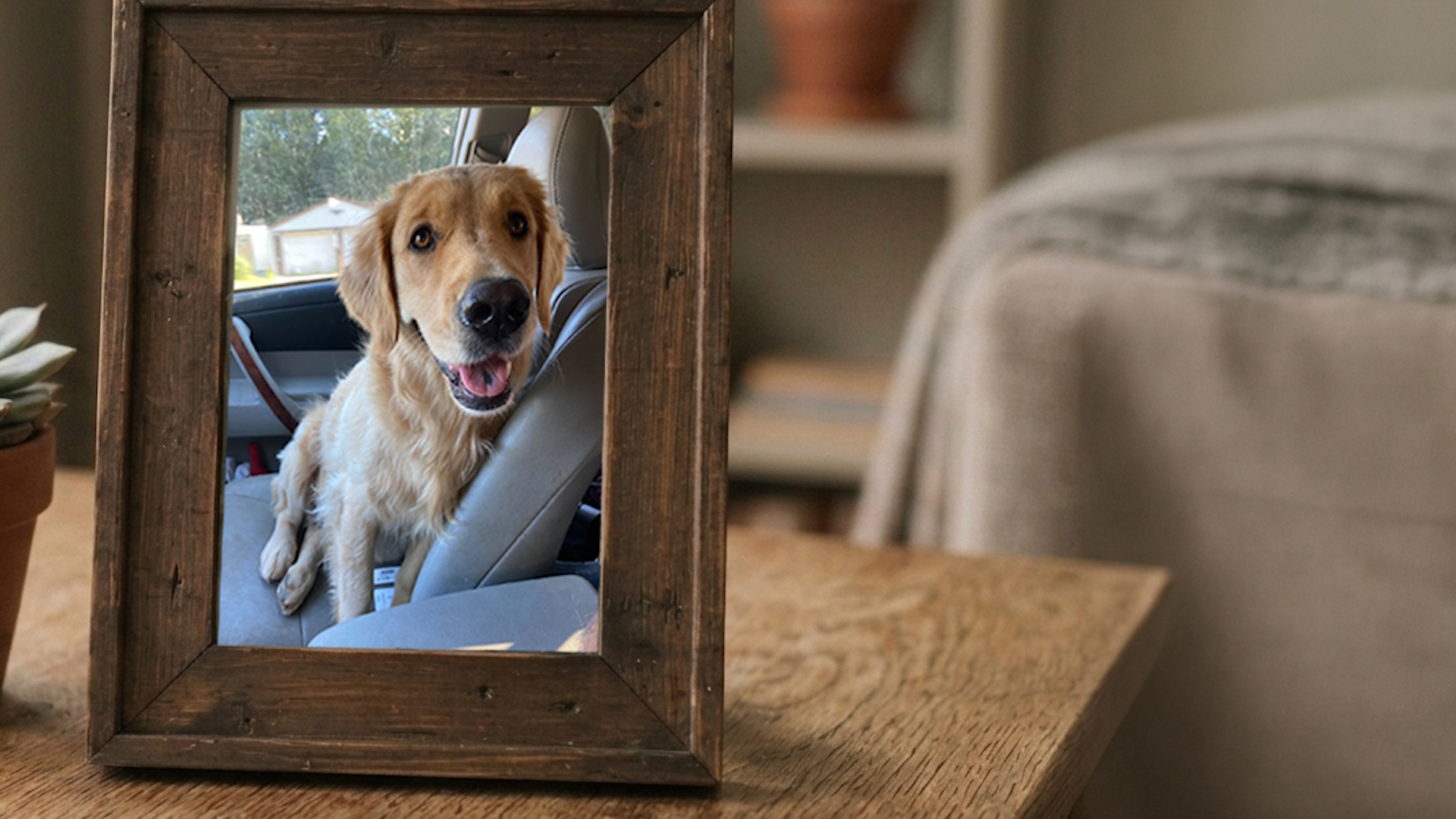
In this Frankly, Nate steps back from macro analysis to tell a personal story: two nights in an emergency animal hospital after his golden retriever Murphy ate a pile of corn cobs. He uses it to look at man’s best friend through a wide boundary lens, from the billion dogs alive on Earth right now to what the Great Simplification may mean for the non-human friends who share our homes. If you haven’t yet, begin with Frankly #114 | Directional Advice for the More-Than-Human Predicament.
00:19 – Dogs among the best inventions by humans, Domestication of the dog from wolves
00:49 – Wide boundary perspective
01:31 – Golden retrievers, Food-motivated temperament in dogs
02:10 – Corn cobs as a life-threatening intestinal obstruction in dogs, Emergency gastrointestinal foreign-body surgery
02:56 – Cost of emergency veterinary care
03:58 – Unconditional love and the human-dog bond, Oxytocin gaze loop between dogs and humans
04:12 – Psychopathic expressions of the socioeconomic system, Old-growth forests
04:39 – *~1 billion dogs alive on Earth, Dogs weigh about as much as all wild land mammals combined, Global mammal biomass since 1850
05:31 – *More than 70% of the world’s estimated 700 million–1 billion dogs are free-ranging, *~700 million free-roaming street and village dogs
06:02 – *~52.5 million dogs estimated to live on the streets in India; ~60.5 million dogs classified as homeless. Estimates vary substantially by methodology; India’s 2019 government census counted ~15.3 million stray dogs.
06:23 – Feeding street dogs and habituation, Auroville
07:03 – Heat stress in free-roaming dogs, The global median dog is a roaming scavenger
08:28 – Global environmental footprint of pet food
08:44 – Advances in emergency and specialty veterinary medicine, Mental health burden on veterinary professionals
09:16 – The Pitt
09:41 – Best in Show
09:54 – Economic euthanasia when owners cannot afford treatment, Companion animal end-of-life decisions
10:26 – Stronger empathic response to animal suffering than human suffering, The Great Simplification Ep 213: Questioning Human Exceptionalism
10:36 – The Outlaw Josey Wales, Dances with Wolves
11:04 – Emotional memory imprinting in the amygdala
11:29 – Dogs as non-judgmental social support, Cat attachment styles
11:48 – Rainbow Bridge, Pet loss grief as family bereavement, The Great Simplification Ep 167: The Lost Art of Grieving
12:09 – What the Great Simplification means for companion animals
12:44 – Pet surrender and shelter intake during economic downturns
12:58 – Carbon Pulse, Livestock mammals over the long run, Fossil fuel consumption vs. estimated dog population size
13:22 – Pleistocene ancestors in a modern city
13:31 – Extreme morphological diversity of modern dog breeds, Most breeds developed in the last 200 years
13:52 – Mean reversion toward the generic village-dog phenotype
14:09 – Purebred puppy prices and the pandemic breeding boom
14:42 – Existential risk research community, Metacrisis
15:00 – AI merging with military power, AI obviating markets and nation-states
15:55 – Puppies as a source of unbridled joy
16:19 – Dogs ~10,000 generations from their wolf ancestors, A puppy as an antidote to AI and surveillance capitalism, Frankly on staying human
17:40 – Technology turning from good to bad with scale, Goldilocks technology