#108 | Frankly
The Influence of Psychopaths: Why Humans Are Better Than We Think

Description
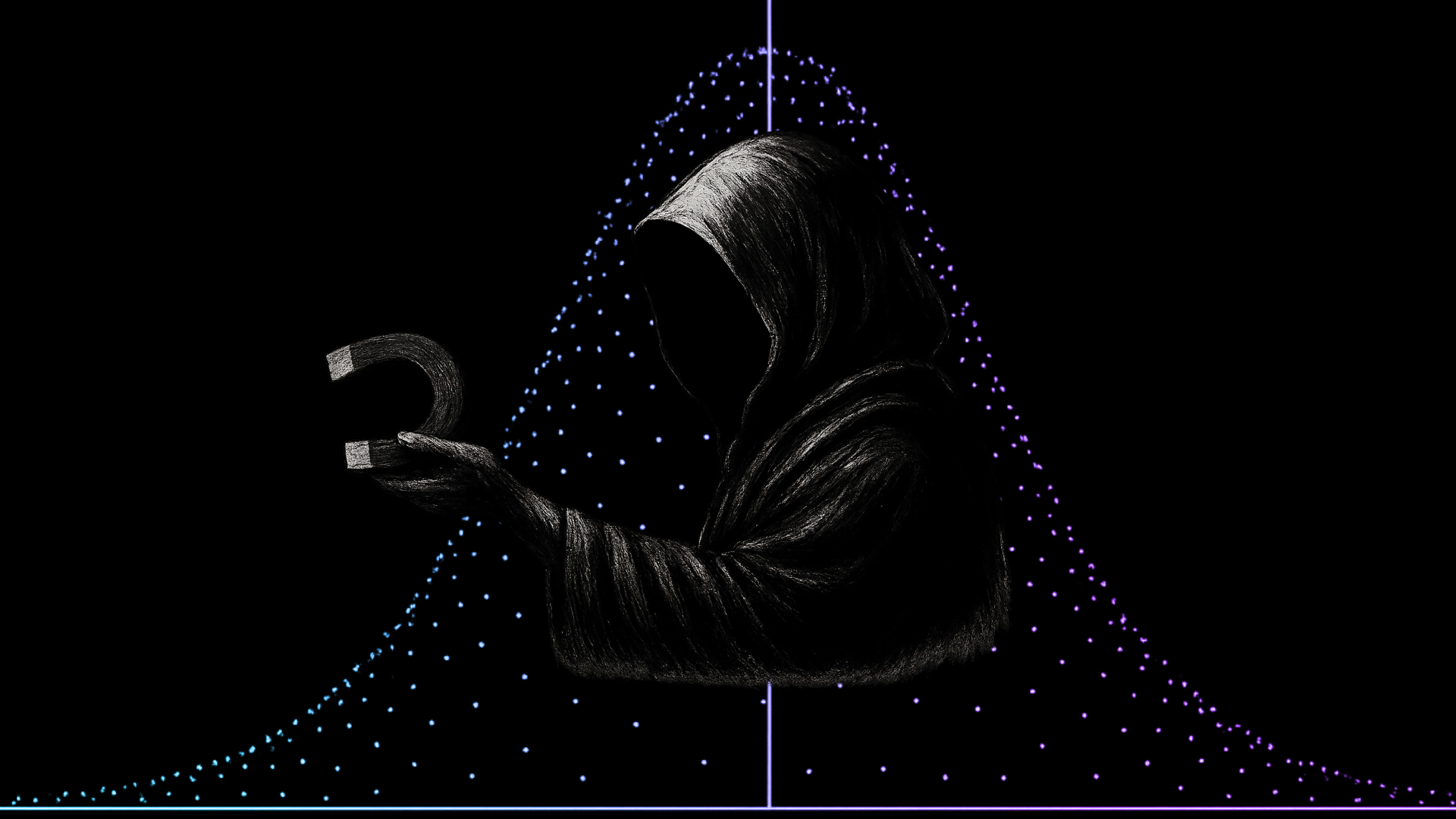
In this week’s Frankly, Nate reflects on intraspecies predation (ours) and the impact psychopathic actors have on the mean and median of human behavior – in the past all the way up to our modern society. Human evolution was shaped by both cooperative, pro-social behavior and a competitive, predatory approach for survival – resulting in a balanced distribution for most of humanity’s existence.
But, as agriculture, surplus, and other factors propelled more hierarchical social structure, aggregate human behavior and culture has slowly shifted over time to express more psychopathic traits. This thread of behavior continues to run through our modern society, where a relatively small (but disproportionately powerful) segment of the human population can pull societal behavior towards anti-social and individualistic values – even if the majority of people still inherently operate from a place of reciprocity.
Why might our modern society provide a more fruitful breeding ground for psychopathy than past societies did? What do chickens and eggs have to do with psychopathy and the economic superorganism? And ultimately, what strategies could we begin to think about in order to shift mean and median human behavior back towards a more cooperative, prosocial middle?
Show Notes & Links to Learn More
Download transcript00:00 – Read the essay version of this Frankly
00:11 – Luke Kemp on TGS (Episodes 1 + 2)
00:14 – Reid Meloy and Nancy McWilliams on TGS Reality Roundtable
00:45 – Economic superorganism
02:06 – Psychopathy
02:39 – Predator
03:18 – Median versus mean
03:43 – 2022 U.S. income distribution
04:34 – The Olduvai Gorge in Tanzania
05:11 – Multi-level selection theory and the Chicken experiment
05:15 – David Sloan Wilson on TGS
05:25 – National Geographic – “The problem with superchickens”
06:14 – The hawk-dove model
06:45 – Tori DeAngelis – “A broader view of psychopathy”
09:10 – Peter Katuščák1 and Tomáš Miklánek – “What drives conditional cooperation in public good games?”
10:04 – Elinor Ostrom – Governing the Commons: The Evolution of Institutions for Collective Action, Derek Wall – “Commons and Contradictions: The Political Ecology of Elinor Ostrom”