Reality Roundtable 23
The Plastic Detox: Reducing Endocrine Disruptors for Better Fertility and Human Health
Description
The number of couples struggling to become pregnant due to unexplained infertility is growing at an alarming rate across the globe. Alongside this concerning rise is the growing awareness of how endocrine disrupting chemicals (EDCs) – particularly those found in plastics and personal care products – are negatively affecting our hormonal health and overall well-being. If we removed or reduced EDCs from the environments of couples struggling to conceive – dramatically reducing their exposure – is it possible their fertility would be improved?
In this episode, Nate is joined by Dr. Shanna Swan, an award-winning scientist, and Sian Sutherland, a plastics expert, to discuss Shanna’s new Netflix documentary, titled The Plastic Detox, where she enacts a real-world ‘plastic intervention’ in the lives of six couples struggling with unexplained infertility – with the hope that they are able to get pregnant by the end of the study. Additionally, Sian shares the strategies her organization has been using to increase regulation of EDC-containing products and increase the availability of plastic-free options. Shanna and Sian also discuss how they’re bringing their work together for the Plastic Free Babies campaign, which emphasizes why avoiding toxic chemical exposure during the first one-thousand days of a baby’s life is so important to preventing generational effects on overall health and fertility.
How might reducing our exposure to EDCs such as phthalates, bisphenols, and parabens improve markers of hormonal health and create ripple effects on our overall quality of life? What is the reasonable responsibility of our governments to test and regulate the safety of products on the market – and are our current institutions fulfilling those expectations? Finally, could addressing the toxins and pollution related to declining fertility lead us down a path of broader systemic change for the entire web of life?
About Dr. Shanna Swan
Dr. Shanna H. Swan, PhD, is an award-winning scientist based at Mt. Sinai (New York, NY). Shanna has published more than 200 scientific papers and has been featured in extensive media coverage around the world. She currently serves as the Director of the Action Science Initiative, a program that conducts rapid interventions and larger, longer-term studies that look at the impacts of environmental pollutants on fertility and related markers of reproductive health. Additionally, Shanna co-authored the 2021 book, Countdown: How Our Modern World Is Threatening Sperm Counts, Altering Male and Female Reproductive Development, and Imperiling the Future of the Human Race.
Most recently, Shanna was featured in the documentary, The Plastic Detox, where she helped six couples dealing with unexplained fertility reduce their exposure to endocrine disrupting chemicals in their environment in hopes of getting pregnant. The movie was released on Netflix on March 16th, 2026. Shanna’s previous appearances include ABC News, NBC Nightly News, 60 Minutes, CBS News, PBS, BBC, PRI Radio, NPR, Andrew Huberman Lab, and The Joe Rogan Experience.
About Sian Sutherland
Sian Sutherland is Co-founder of A Plastic Planet, one of the most recognized and respected organizations tackling the plastic crisis. More recently, she also co-founded PlasticFree, the first materials and systems solutions platform, empowering the 160m global creatives to design waste out at the source. Sian was awarded the Female Marketer of the Year, Entrepreneur of the Year, and British Inventor of the Year. In 2023 at the UN Plastics Treaty negotiations (INC2), in partnership with Plastic Soup Foundation, A Plastic Planet launched the Plastic Health Council, bringing expert scientists to the negotiating process with the irrefutable proof of plastic chemicals’ impacts on human health.
Most recently, in early 2024, Sian co-founded the Foundation for Visionary Science and Art with Alex Adams, working with the scientists to help fund their extraordinary research work on psychedelic therapies. Passionately pro-business and solutions focused, Sian believes the plastic crisis gives mankind a rare gateway to change both materials and systems to create a different future for next generations.
Show Notes & Links to Learn More
Download transcriptThe TGS team puts together these brief references and show notes for the learning and convenience of our listeners. However, most of the points made in episodes hold more nuance than one link can address, and we encourage you to dig deeper into any of these topics and come to your own informed conclusions.
The Institute for the Study of Energy and Our Future and The Great Simplification podcast do not officially endorse any of the products or services linked below. They are merely a reflection of what is discussed in the episode.
00:00 –
- Watch the new documentary The Plastic Detox released on March 16, 2026 (Trailer)
- The Plastic Detox Website
- Unplastic Your Life
- Documentary Toolkit: The Plastic Playbook
- Shanna Swan, Action Science Initiative
- Sian Sutherland, A Plastic Planet, Plastic Free, Plastic Free Babies (watch for campaign launch this May)
- Other Resources:
03:30 – Sperm count decline around the world, Casual relationship to endocrine disrupting chemicals
03:55 – Plastic-free supply chain
04:30 – Testosterone is decreasing (more rapidly since 2000)
05:35 – Non-human species are also experiencing infertility/hormonal issues
06:00 – Chemicals that affect hormones
06:14 – Wide Boundary News Playlist, Wide-boundary perspective
06:20 – Antarctica’s* only native insect has microplastics in its digestive system
07:40 – Declining fertility rates (UN World Fertility Report 2024), Human population overshoot
08:13 – Population pyramid, Effects of an inverting population pyramid
08:45 – Increase in aging population and its economic implications (see Japan)
09:50 – Fertility rate, Replacement rate
10:35 – Idiopathic infertility
10:50 – In vitro fertilization (IVF)
12:16 – Urinary metabolites: Bisphenols, Phthalates, and Parabens
13:25 – Million Marker (Urine test kit, Approved products)
14:11 – Cleaners and phthalates
14:20 – Microplastics in plastic food storage
14:32 – Plastic-free toothbrushes, Plastic-free shower curtains
15:10 – Phthalates in cosmetics (Plasticizer)
15:27 – Fragrance and phthalates
15:45 – Function of phthalates, Function of plastics
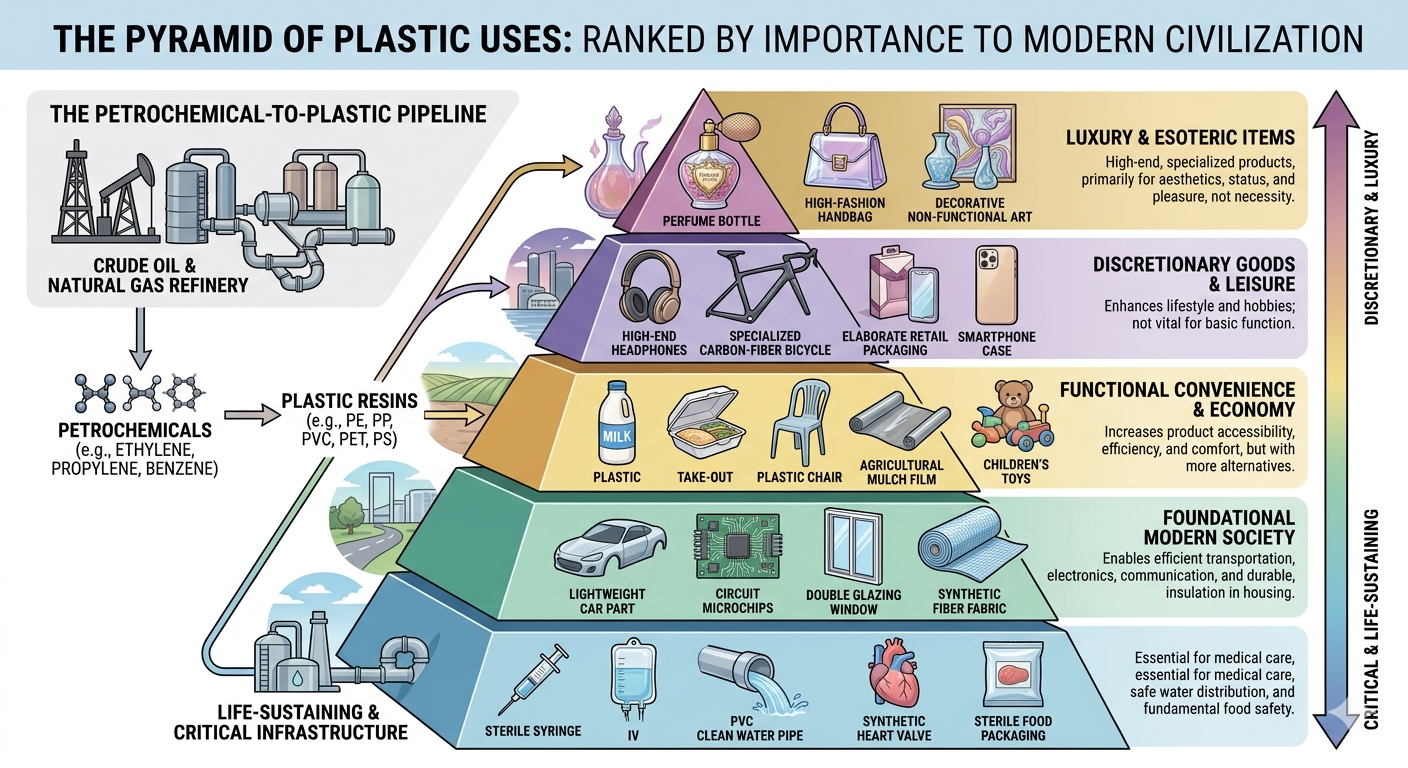
16:25 – Petrochemical pyramid (AI-generated)
17:22 – Spermatogenesis in humans
18:02 – Fellow semen test, Million Marker urine test
18:40 – At-home blood test, Hormone blood tests
19:35 – Other metabolites: Pesticides, PFAS (PFAS in blood estimation tool)
20:03 – Reducing toxins increases sperm count
20:20 – Embryology, Ovarian follicle development
20:40 – Germ cells, Transgenerational effects of environmental exposures
20:55 – How a mother’s (and maternal grandmother’s) lifestyle can affect female child’s eggs
21:45 – Sperm motility
22:00 – Other TGS Podcasts on Plastics, Chemicals, and Endocrine Disruptors:
- Reality Roundtable #15 The Plastic Crisis
- TGS Ep #154 with Jane Muncke: Global Plastics Treaty
- TGS Ep #104 with Jane Muncke: Plastic Packaging
- TGS Ep #186 with Wes Carter: Plastics and Supply Chain
- TGS Ep #99 with Jeremy Grantham: Pollution and Fertility
- TGS Ep #37 with Martin Scheringer: Health Impacts of PFAS
23:33 – Sperm count threshold for fertility.
24:20 – Importance of male genitalia protection and fertility
25:20 – Occam’s Razor
25:57 – Where PFAS can be found
26:00 – Clothing without PFAS
26:15 – Clothing and organic food’s role in fertility
26:45 – Checking fertility/egg count as a female
27:30 – Hormone levels and reproduction in females
28:35 – The SHIM (erectile dysfunction questionnaire)
29:50 – Health effects of endocrine disrupting chemicals
30:23 – Obesogens (Endocrine disrupters as obeseogens)
30:50 – PFAS affect antibody responses
32:40 – Carbon pulse, A species out of context, Economic Superorganism (with a metabolism)
36:30 – Documentary Toolkit: The Plastic Playbook
37:19 – Organic food is more expensive than non-organic
37:30 – Certain demographics are more likely to be exposed to environmental toxins
38:55 – Global heating and burning fossil carbons
39:01 – Fossil fuels have replaced human labor at a tiny fraction of the cost
39:25 – Importance of plastic in healthcare and food storage
40:32 – Endocrine disrupting chemicals are everywhere
40:53 – 100x* times more chemicals are outlawed in the EU than in the United States
41:45 – Possibly over 100,000 Food Contact Materials (many of which are untested), Recent Plastic Chemical Report, Secret food chemicals
42:25 – Steroids’ role in reproductive function
42:43 – PFAS and immune function
43:40 – Plastic-free coffee makers
44:15 – Heat and plastic (plasticizers are not tightly bound)
45:07 – A new chemical is registered every 1.4 minutes
45:33 – Jane Muncke
45:45 – Chemical inertness
46:00 – Medical grade silicone
47:20 – Plastic-free cookware, Freezing in plastic
48:15 – Endocrine system
49:00 – Importance of gut health
49:40 – A Plastic Planet
50:10 – Policy around plastics
50:35 – 95%* of plastic is lost to the economy
51:26 – Plastic Free Babies (watch for campaign launch this May)
51:31 – Plastic Free successes: World’s first plastic-free aisle, Lobbied governments on banning the export of plastic waste to non OECD countries, plasticfree.com, UN Plastics Treaty
42:40 – Ecological damage from plastic
53:13 – The importance of the first 1000 days of life
53:35 – Babies are born “pre-polluted”: Plastic in placentas, brains, breastmilk, blood
53:55 – Plastic in baby items
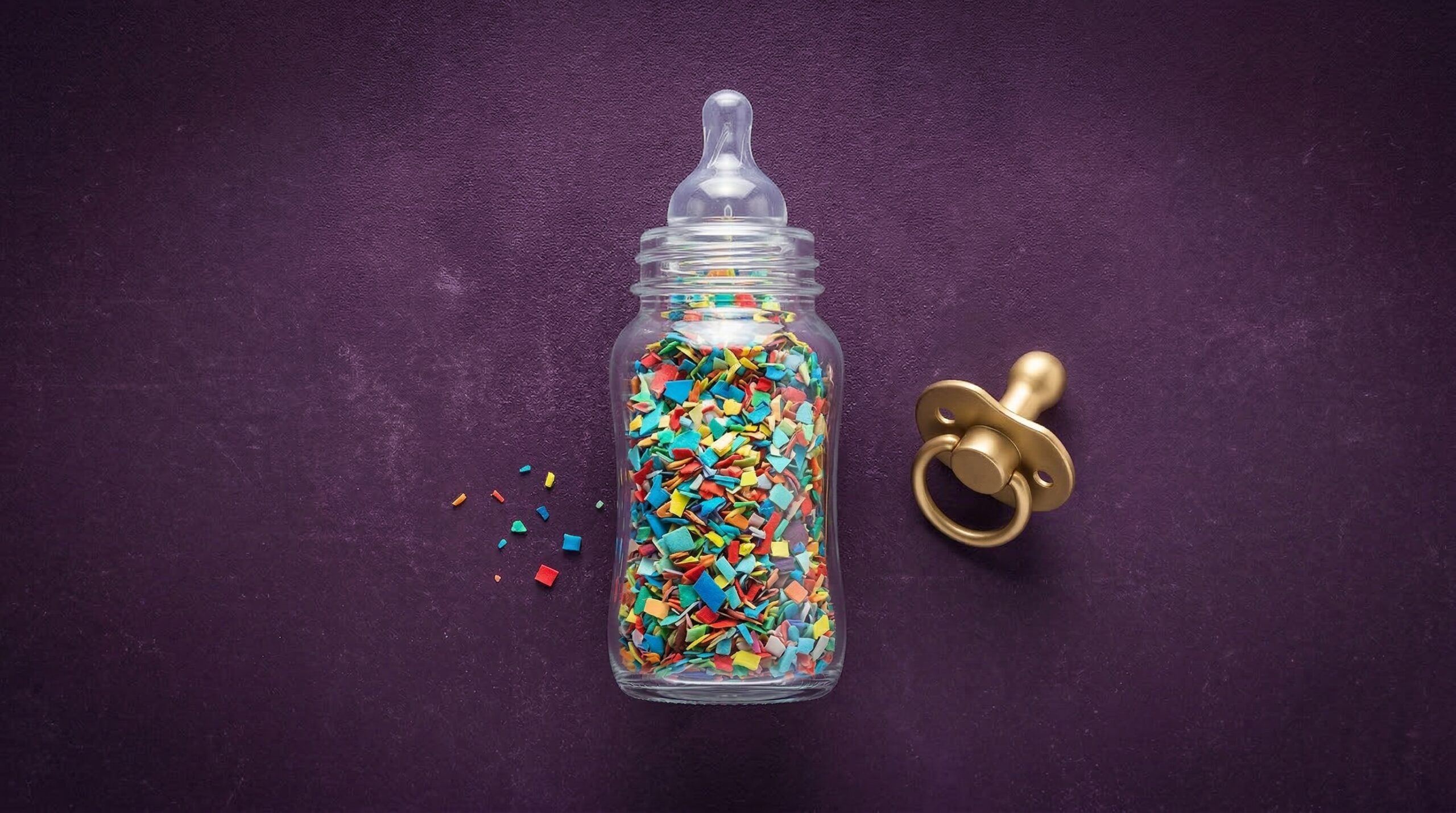
55:55 – In a 1-liter baby bottle of liquid, there are over 16 million microplastics
56:02 – Microplastics are vectors for chemicals
58:35 – The most vulnerable period in a person’s life is the first three months after conception
59:20 – Phthalate syndrome and male genitalia development
1:00:00 – People who are infertile have shorter lifespans
1:00:40 – Anogenital distance’s relationship to penis size and testicular cancer
1:01:35 – What affects penis size
1:03:00 – Global heating change controversy in the U.S.
1:04:30 – Fossil fuel companies lobbyist presence at plastics treaty negotiations
1:05:10 – The Lancet: Over $500B* in public health costs from plastics and chemicals in the U.S. and EU
1:06:06 – Alligator penises affected by the pesticide atrazine
1:06:17 – Number of endangered species is increasing (but so is the number of assessed species)
1:06:30 – Plastics are made from fossil fuel byproducts
1:06:58 – Jeremy Grantham (TGS Ep #155 & #99), His foundation
1:07:35 – All the products that come from one barrel of oil (Frankly #37), Infographic: Products that come from oil and natural gas
1:08:40 – Banana peel shoe soles, Seaweed products and packaging, Shrimp waste products
1:09:15 – Lernaean Hydra
1:09:27 – Biodiversity loss
1:11:38 – The Metacrisis/Polycrisis
1:11:50 – Deceit of the recycling industry
1:13:20 – Fertility treatment rates of usage