Ep 223 | Michael Every
The U.S. Can’t Back Down: The Strait of Hormuz Closure Is Messier Than You Think

Description
This episode was recorded Tuesday, June 9th, before the current ‘deal’ was floated. Given world events, we decided to post this episode immediately as a special release, and deal or not, this conversation is an excellent overview of the issues and stakes of this evolving situation.
In a media environment constantly contradicting itself, with every side proclaiming the advantage for themselves, the reality of what’s happening in the Middle East gets lost amidst the day-to-day headlines. But for analysts who have been monitoring the underlying trends of the geopolitical gameboard for years, the direction is clear: the conflict over the Strait of Hormuz will likely not fully resolve within the next few months. If we truly accept the consequences of this, how will our global economy – built on interconnected supply chains and cheap energy – adapt to a geopolitical order fracturing before our eyes?
In this episode, Nate is joined by Michael Every, Global Strategist at Rabobank, for an unflinching analysis of the Hormuz crisis and the fundamental principles pointing toward the Strait’s closure for several more months. Michael walks through multiple scenarios – a TACO (Trump Always Chickens Out), NATO military action, Chinese intervention behind the scenes – and explains why none of them offer an easy exit. The conversation expands to explore what this crisis means for the future of global energy trade, the emergence of rival production blocs, the collapse of demand-side macroeconomics, and the surprising potential for a more equitable world to emerge from the chaos.
If the Strait of Hormuz remains closed or mostly closed into September, which countries hit their breaking point first, and will the order in which they break fundamentally change the balance of geopolitical power? How does everyday life change when price signals stop working and access is defined by availability rather than cost? And if this crisis truly accelerates the fracturing of our hyper-connected, globalized world into polarized blocs of energy and production, how might the disruption, for better or worse, shake up nearly a century of the macroeconomic theory that has shaped every part of our lives?
About Michael Every
Michael Every is a Global Strategist at Rabobank with over two decades of experience. He analyzes major financial developments and contributes to the bank’s various economic research publications.
Before Rabobank, he was a Director at Silk Road Associates in Bangkok, Senior Economist and Fixed Income Strategist at the Royal Bank of Canada in both London and Sydney, and an Economist for Dun & Bradstreet in London.
Show Notes & Links to Learn More
Download transcriptThe TGS team puts together these brief references and show notes for the learning and convenience of our listeners. However, most of the points made in episodes hold more nuance than one link can address, and we encourage you to dig deeper into any of these topics and come to your own informed conclusions.
Michael Every: Global Strategist at Rabobank
- Rabobank Report on Iran War Deals: “103 Days, 38 Peace Deals“
- Rabobank Report on Hormuz Closure: “Tell Me, Hormuz“
- Previous The Great Simplification appearances
03:03 – Rabobank Report: “Tell Me, Hormuz“ on the Strait of Hormuz crisis (framed around Homer‘s Odyssey)
04:05 – Opening line of The Odyssey by Emily Wilson: “Tell me of a complicated man”
04:18 – Odysseus as Polytropos, Polymetis, Unreliable narrator
05:05 – “History rhymes” (Mark Twain)
07:24- The Art of the Deal by Donald Trump
09:00 – Nord Stream pipelines sabotage
09:53 – Wide-boundary perspective (Frankly on such)
10:42 – Muqawama: ideological refusal to surrender
11:03 – Hamas’s refusal to concede defeat in Gaza
12:49 – TACO: “Trump Always Chickens Out”
13:10 – Suez Crisis of 1956
14:10 – Tactical nuclear weapons and a strike on Iran’s nuclear program
16:25 – Israeli military history: 1948 Arab–Israeli War (War of Independence), Six-Day War (1967), Yom Kippur War (1973), 1981 Osirak raid on Iraq’s reactor, 2007 strike on Syria’s reactor
17:55 – January 2026: 36,500+* Iranians massacred by their own government (more info from AOL and NBC)
18:17- ~100 days into the 2026 Iran war, with stock markets at record highs despite the crisis
20:12 – Odysseus blinding the Cyclops
22:32 – Shut-in oil wells and permanent reservoir damage
22:39 – Rory Johnston (The Great Simplification appearance), Art Berman (The Great Simplification appearances), Jeff Currie
23:10 – Geopolitical risk premium on oil
23:15 – Saudi oil diverted through the Red Sea
23:29 – Houthis threatening to close Bab-el-Mandeb
23:37 – Saudi East–West Pipeline (Petroline)
24:35 – US regime-change campaign in Venezuela
24:39- Gilligan’s Island “three-hour tour”
25:58 – Evolutionary game theory and spite
26:25 – India–Middle East–Europe Economic Corridor (IMEC), derailed by the October 7 attacks
27:29 – 2026 US midterm elections
28:23 – China cutting crude oil imports
28:32 – China’s secret strategic oil reserves
28:49 – China’s copper imports over time
29:46 – China supplying Iran air-defense and missile technology
30:26 – Woody Allen’s Bananas (1971)
31:08 – The Great Game
31:39 – Russia–Ukraine war, Russia–Europe rearmament, Japan revising Article 9, Taiwan Strait tensions
34:18 – Bunker fuel shortages halting global shipping and cascading failure for supply chains
34:56 – Just-in-time global supply chain fragility
35:02 – Fukushima earthquake, 2 weeks later Ford at to shutdown Detroit plant due to pigment from there
37:20 – Hormuz pressure points beyond crude: Diesel and jet fuel, Naphtha for plastics, Fertilizer, Bitumen, Helium for MRI scanners and microchips, Sulfur for sulfuric acid
39:29 – Mikhail Gorbachev and perestroika
39:58 – Price controls and Shortage economies
40:39 – The return of mercantilism
43:36 – Rationing by price vs. Rationing by quantity
46:27 – Economic superorganism could be splintering into rival blocs
47:36 – Comparative advantage, Guns-versus-butter tradeoff
48:28 – Financialization vs. Investment
49:00 – What GDP measures and its limits
50:03 – David Ricardo: Ricardian comparative advantage
52:41 – European Coal and Steel Community as a postwar integration model
53:26 – Geoeconomic fragmentation
54:04 – India–UAE energy and defense partnership
55:18 – Planetary boundaries
55:29 – Rube Goldberg machine
56:27 – Triffin dilemma
56:35 – Craig Tindale (The Great Simplification: Ep 207, RR 22): “Tindale Trap*” essay
56:57 – A rules-based order backed by the U.S. dollar and the Bretton Woods System
58:56 – Keynes on speculation and financial bubbles
59:27 – U.S. bid to acquire Greenland
59:44 – Global energy chokepoints
1:01:19- Stablecoins as a tool of dollar transition
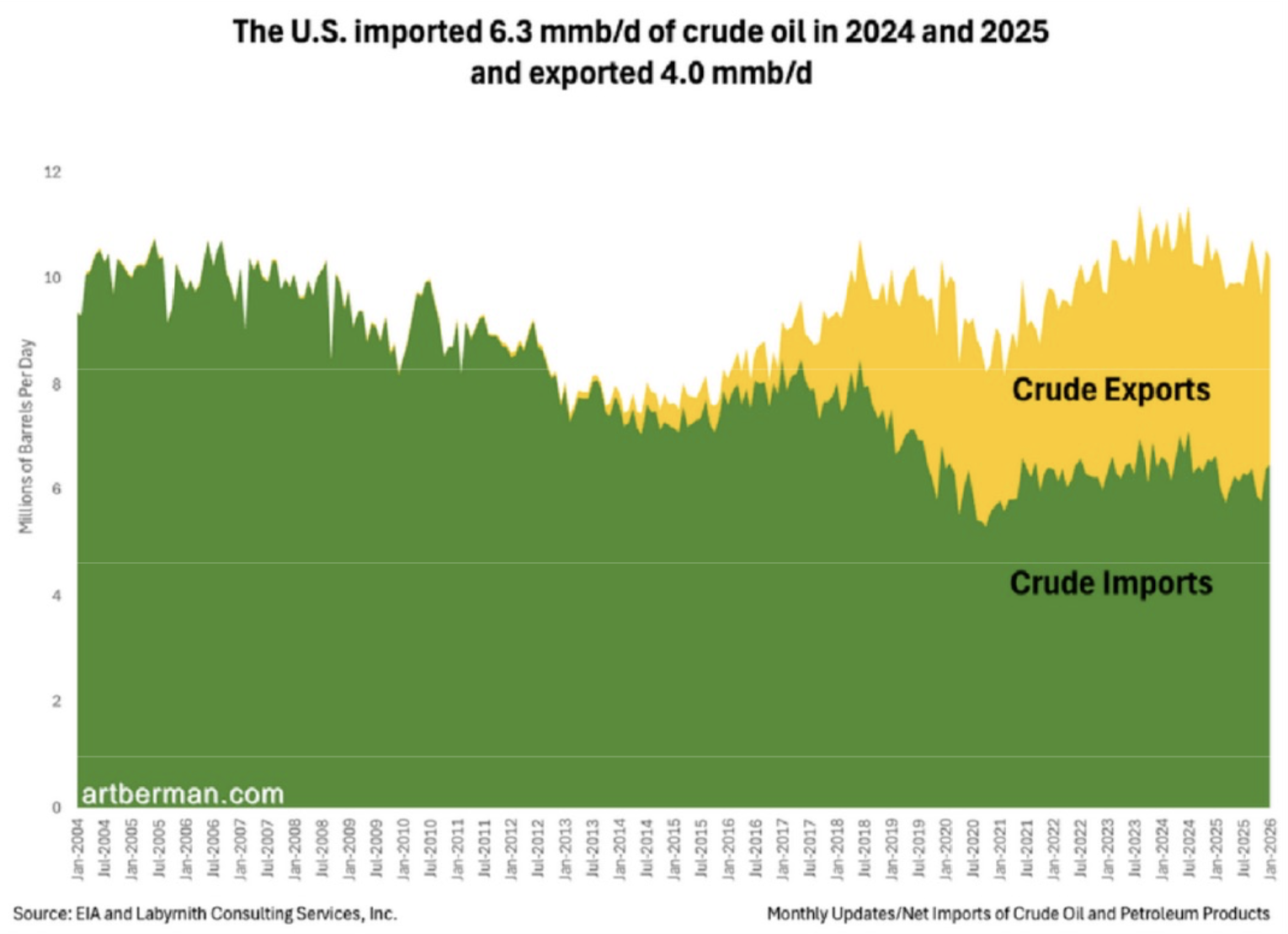
1:02:41 – U.S. still a net crude oil importer
1:03:51 – Autarky
1:05:06 – Declining trust in U.S. institutions
1:06:11 – Soft power vs. Hard power
1:08:02 – China’s “common prosperity” and refusal to pivot to consumption
1:08:39 – Quantitative easing and Monetizing debt
1:08:58 – Overton window shifting: Bernie Sanders on state-owned AI and Trump administration equity stakes in AI companies
1:09:31 – Hudna: a long-term Islamic truce
1:09:53 – Iran’s enriched uranium as the litmus test
1:10:46 – Iran’s drought and water crisis
1:11:19 – Iran’s proxy network: Hezbollah, Hamas, Houthis
1:13:15 – Nash equilibrium
1:14:37 – Energy is the foundation of the economy
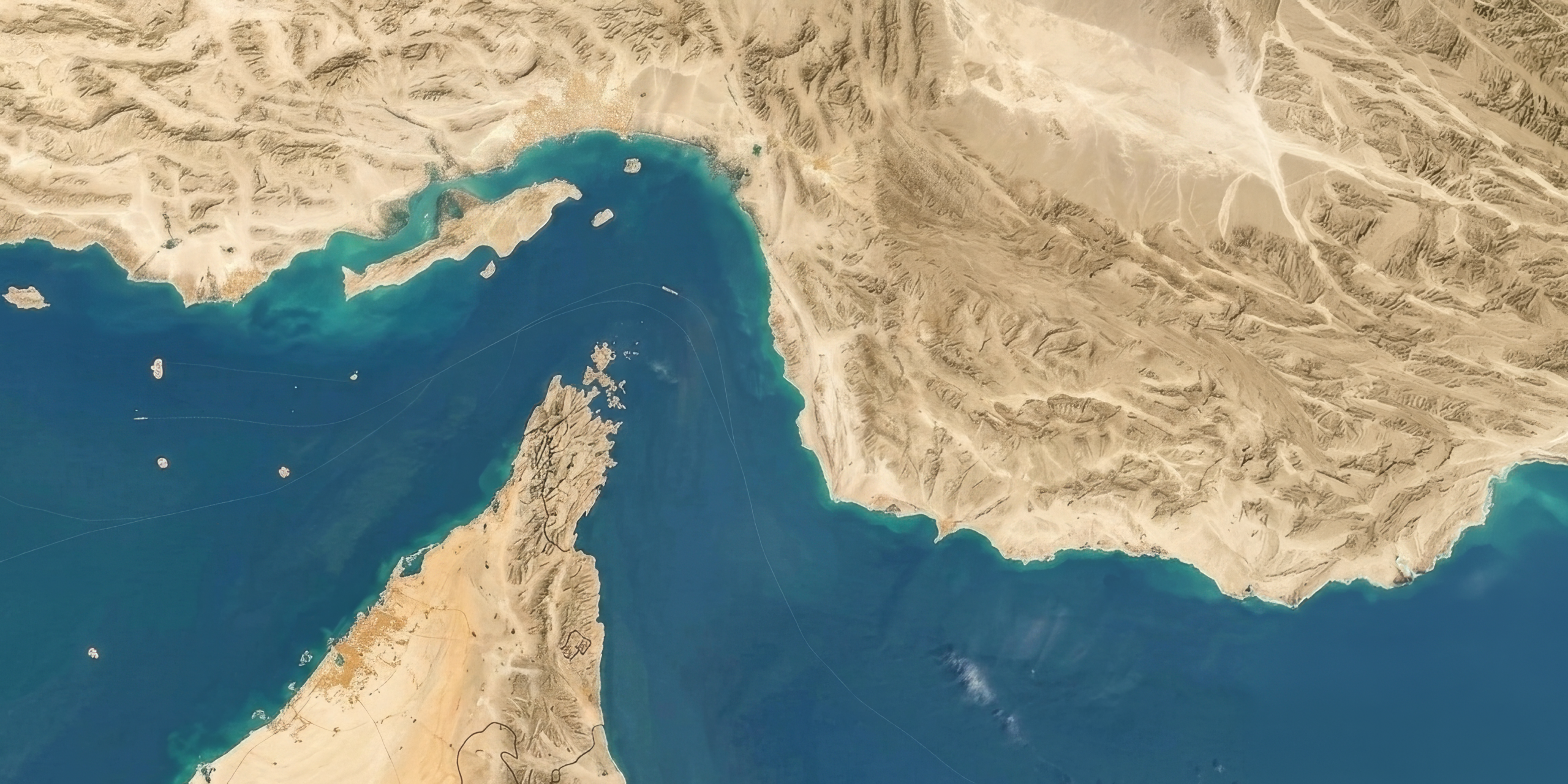
1:17:15 – ~20 million barrels a day through the Strait of Hormuz
1:17:46 – The irresistible-force paradox
1:20:29 – Reducing your energy footprint (additional suggestions), Eating local and seasonal
1:22:59 – Izabella Kaminska, Anacyclosis, Polybius